
Best Palaces in Seville
Seville is a city of palaces — royal, aristocratic and ecclesiastical. A decisive guide to the Real Alcázar, Casa de Pilatos, Palacio de las Dueñas and the lesser-known palace-homes: which to choose, how to combine them, and how to avoid palace fatigue.

Photo: Elliot Voilmy / Unsplash
- ✓The Real Alcázar is the one unmissable palace: Europe's oldest royal palace still in use, and the city's single greatest sight.
- ✓Casa de Pilatos is the connoisseur's choice — Alcázar-level beauty, a fraction of the crowds, and the prototype of the Andalusian noble house.
- ✓Palacio de las Dueñas adds courtyards, gardens and poetry in the quieter Macarena quarter; it's the calmest of the big three.
- ✓Two palaces in a trip is plenty; three is the limit before the tiles start to blur. Space them out and vary the mood.
- ✓All run their own calendars — book the Alcázar ahead, and verify hours, prices and any free-entry windows for the others before you go.
Why Seville is a city of palaces
Few cities in Europe pack as many palaces into as small a centre as Seville. The reason is history: a Moorish capital that became a Christian royal seat, then the gateway to the riches of the Americas, the city drew kings, dukes and archbishops who all wanted a courtyard, a garden and a façade to match their standing. What they left behind is an extraordinary concentration of Mudéjar tilework, Renaissance marble, Baroque gilding and shaded green patios — a whole genre of building you can walk between in an afternoon.
The palaces also tell Seville's deepest story better than anything else: the way Islamic and Christian craft fused into the Mudéjar style, the way Italian Renaissance ideas arrived with travelling aristocrats, and the way wealth from across the Atlantic was poured into stone and tile. To understand Seville is, in large part, to understand its palaces. This guide ranks and pairs them so you see the right ones for your time, taste and tolerance for crowds — and so you don't burn out on courtyards by day two.

The Real Alcázar — the one you cannot skip
If you see a single palace in Seville, it is the Real Alcázar. Begun as an Almohad fortress and reworked over centuries into a Mudéjar masterpiece, it is the oldest royal palace in Europe still in use — the Spanish royal family keeps apartments on the upper floor to this day. The showpieces are the Patio de las Doncellas, with its long reflecting pool and intricately carved arcades; the gilded, star-vaulted Salón de Embajadores; and the vast, water-laced gardens that unfold behind the palace into a green world of fountains, hedges and palms.
It is also the busiest sight in the city, so the strategy matters. Book a timed ticket well ahead, aim for the very first slot of the day, and walk straight to the Patio de las Doncellas and the gardens before the tour groups arrive — those first thirty minutes can feel almost private. Allow at least ninety minutes; garden-lovers and tile-lovers will want longer. In summer, the morning slot is doubly wise, because the gardens are merciless at midday. This is the palace against which all the others are measured.
- Europe's oldest royal palace in continuous use — Almohad bones under a Mudéjar masterpiece.
- Highlights: Patio de las Doncellas, Salón de Embajadores, and the expansive gardens.
- Book ahead, take the first slot, go straight to the gardens before the groups.
- Allow 90 minutes minimum; verify tickets, time slots and any free-entry window on the official source.
Casa de Pilatos — the connoisseur's palace
If the Alcázar is the palace everyone visits, the Casa de Pilatos is the one people fall in love with. This 15th-to-16th-century aristocratic mansion — still owned by the Dukes of Medinaceli — is widely held to be the finest private palace in Seville and the prototype of the Andalusian noble house. Its central courtyard is the great set piece: two tiers of slender marble arches above the densest, richest display of polychrome azulejos in the city, with classical statues in the corners and a celebrated collection of antique Roman busts around the walls. It is Andalusia and antiquity in one serene room.
What makes Pilatos special, beyond its beauty, is the quiet. It sits in the eastern centre away from the cathedral crush, and you can often stand in that courtyard with barely another soul. The two intimate gardens, the gilded-dome staircase and — on the fuller, guided ticket — the furnished upper apartments add depth without ever feeling overwhelming. For anyone worried about palace fatigue, Pilatos is the antidote: smaller, calmer, more personal, and a masterclass in how Mudéjar craft and the Italian Renaissance met in a single house.
- Often called the loveliest private palace in Seville — and far quieter than the Alcázar.
- The tiled central courtyard, with Roman busts and marble arcades, is the showpiece.
- Two ticket tiers: ground floor and gardens self-guided, or a guided visit adding the upper apartments.
- Still the home of the Dukes of Medinaceli — an aristocratic house, not a museum.
Palacio de las Dueñas — the poet's palace
North of the centre, on the edge of the Macarena, the Palacio de las Dueñas offers the calmest of the city's great palace experiences. The seat of the House of Alba, it is a 15th-century palace wrapped around courtyards and gardens, scented with orange and jasmine and hung with the family's art, tapestries and curiosities. The poet Antonio Machado was born here — his father was an estate manager — and a plaque and a few lines of his verse give the place a literary tenderness the grander palaces lack.
Dueñas is the one to choose when you want beauty without battle. Crowds are light, the gardens are made for lingering, and the blend of Gothic, Mudéjar and Renaissance feels lived-in rather than monumental — because it still is a family home. Pair it with the Basílica de la Macarena and the Baroque church of San Luis de los Franceses for a half-day in a part of Seville most first-timers never reach, and verify the opening days and any photography rules before you go, since a private house keeps its own calendar.
- The House of Alba's palace — courtyards, gardens and aristocratic interiors, with light crowds.
- Birthplace of the poet Antonio Machado; a quiet, literary atmosphere.
- The calmest of the big three — best when you want a palace without the queue.
- Pairs naturally with the Macarena basilica and San Luis de los Franceses.
Beyond the big three
Seville's palace story doesn't end with the headline three. The Hospital de los Venerables in Santa Cruz isn't a palace in name, but its serene Baroque courtyard and focused art collection give the same pleasures — craft, hush, light through old windows — in a calm pocket steps from the busiest lanes. The Casa de Salinas, a smaller private mansion near the Alcázar, opens for guided visits and reveals a Roman mosaic and intimate tiled rooms most visitors never see. And the Archivo de Indias, housed in a grand Renaissance merchants' exchange, has the scale and stone of a palace even if its purpose was commerce and empire.
Across the river and around the centre, smaller noble houses, convent courtyards and tiled patios reward the curious wanderer — many glimpsed only through an iron grille. You don't need to tick them all off. But if you've fallen for Seville's domestic architecture, knowing they exist turns an ordinary walk into a treasure hunt. As always with the smaller sites, opening days and any guided-visit times shift, so confirm them locally.
- Hospital de los Venerables — a Baroque courtyard and art collection in the heart of Santa Cruz.
- Casa de Salinas — an intimate private mansion with a Roman mosaic, seen on guided visits.
- Archivo de Indias — palatial Renaissance architecture housing the archive of Spain's American empire.
- Countless smaller patios and noble houses, often glimpsed through wrought-iron grilles.
How to avoid palace fatigue
Here is the honest truth that ranking lists rarely admit: two palaces in a trip is plenty, and three is about the limit before the tiles start to blur. They share a vocabulary — courtyards, azulejos, carved plaster, fountains, shaded gardens — and seen back to back, even the most ravishing of them can flatten into sameness. The fix is to space them out and vary the mood between them.
A simple rhythm works well. Do the Alcázar on your first full morning, when you're fresh and the gardens are cool, then give the afternoon to something completely different — the river, a tapas crawl, the Setas rooftop. Save a second palace for a later day: Pilatos if you want beauty-with-calm in the centre, or Dueñas if you want a quiet, leafy retreat in the Macarena. Don't try to chain all three in a day. And let each one breathe: a single courtyard, looked at slowly, will stay with you far longer than three palaces rushed before lunch.
- Two palaces per trip is ideal; three is the ceiling before they blur together.
- Put a day, and a change of mood, between palace visits.
- Alcázar first (it's the most demanding), a quieter palace later.
- Slow down inside — one well-looked-at courtyard beats three rushed ones.

Which palace is right for you?
If you have one slot, the choice is easy: the Real Alcázar, every time — it's the most significant, the most spectacular and the most complete. If you have two, add Casa de Pilatos for beauty without the battle, or Las Dueñas if you'd rather a calm, leafy half-day away from the centre. Couples tend to love Pilatos and Dueñas for their intimacy; tile and history fans want all three; families do best with the Alcázar's gardens, where children can roam between fountains and hedges.
Whatever you choose, the practicalities are the same everywhere: go in the morning for cool courtyards and the best light, book the Alcázar ahead and arrive on the dot, and verify current hours, prices and any free-entry windows on each palace's own channel — these are working monuments and private homes, and they keep their own calendars. Get the timing right and Seville's palaces become the thread that runs through the whole trip: a city you read, room by tiled room.
- One palace: the Real Alcázar — non-negotiable.
- Two: add Casa de Pilatos (central, calm) or Las Dueñas (leafy, quiet).
- Couples: Pilatos and Dueñas for intimacy. Families: the Alcázar gardens.
- Always morning visits; book the Alcázar ahead; verify each palace's hours and prices.
Map pins
Map data © OpenStreetMap contributors · Tiles © OpenFreeMap

Real Alcázar of Seville Guide
How to visit Seville's royal palace: what you're seeing, the rooms and gardens worth your time, when to go, which entrance to use, and how to dodge the crowds at Europe's oldest royal palace still in use.
Read guide
Casa de Pilatos Guide
How to visit the Casa de Pilatos, Seville's finest Andalusian palace after the Alcázar: the tiled main courtyard, the gardens, the painted upper floor, ticket options, and how to pair it with central Seville.
Read guide
Palacio de las Dueñas Guide
How to visit the Palacio de las Dueñas: the courtyards and gardens, the lived-in aristocratic interiors, the poet Antonio Machado's birthplace, and why this is Seville's most rewarding quieter palace stop — north of the tourist crush, in the Macarena.
Read guideMore in Things to Do
6
Archivo de Indias Guide
Why the Archivo General de Indias belongs on your Seville list: what's inside the great archive of the Spanish Americas, the Renaissance building it lives in, how free entry works, and how to slot it between the Cathedral and the Alcázar.
Read guide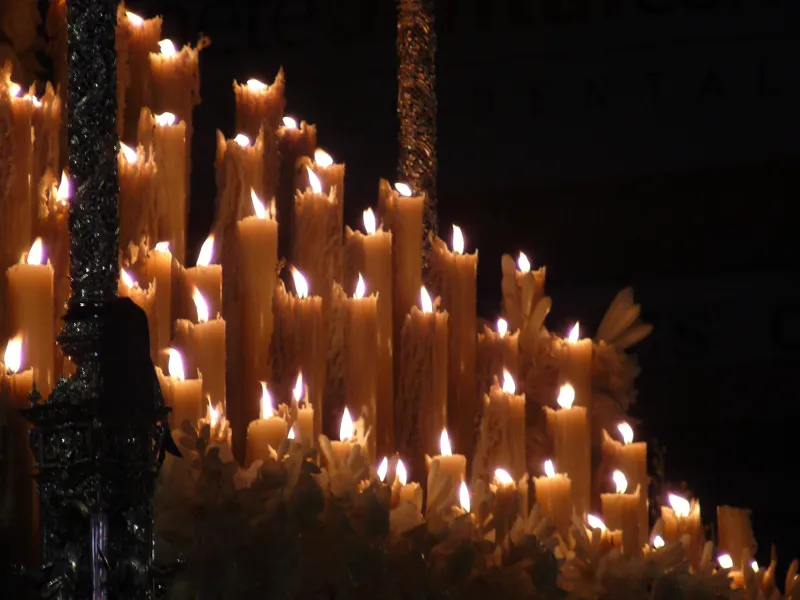
Basílica de la Macarena Guide
How to visit the Basílica de la Macarena in northern Seville: the beloved image of the Virgin of Hope, the on-site treasury museum, the Roman wall beside it, and the basilica's deep ties to Semana Santa.
Read guide
Best Free Things to Do in Seville
The best free things to do in Seville: grand plazas, shaded parks, riverside walks, beautiful churches, viewpoints, free-entry museum windows, and the heat-smart way to string them together without spending a euro.
Read guide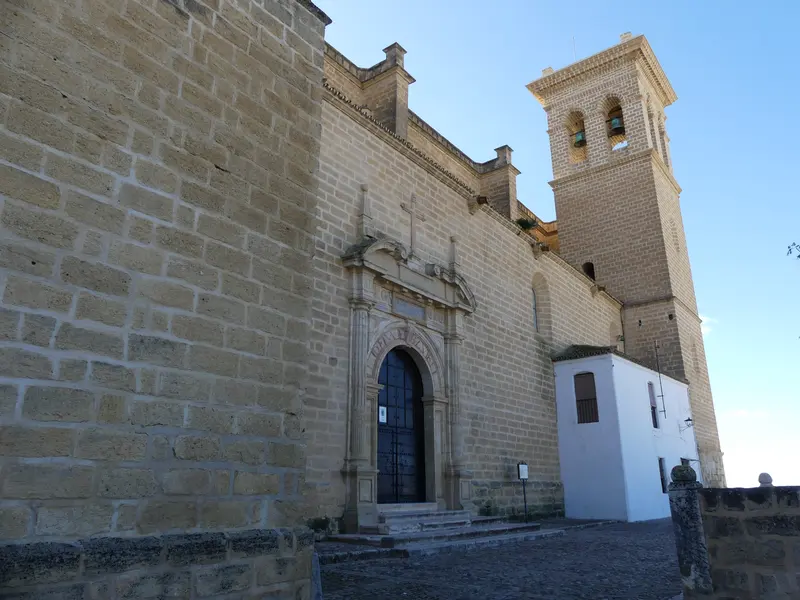
Best Museums in Seville
A decisive guide to Seville's museums: the golden-age paintings of Bellas Artes, the living art of the flamenco museum, contemporary work at the CAAC, ceramics in Triana and the palace-museums — compared by art, history, rain value and who each suits.
Read guide
Best Photography Spots in Seville
The best places to photograph Seville and exactly when to shoot them: Plaza de España's tiled curves, Alcázar patios, the Giralda framed down narrow lanes, rooftops, river bridges and Santa Cruz patios — built into a golden-hour route around the heat.
Read guide
Best Tours in Seville
Which guided tours in Seville are actually worth it: skip-the-line Alcázar and Cathedral visits, food and tapas tours, flamenco experiences, bike rides, river cruises and day trips — compared by who they suit, when to book, and where you're better off going solo.
Read guide