


Semana Santa
Holy Week processions — candlelit pasos and brotherhoods through the small hours. Solemn, vast, unforgettable.
Andalucía · Seville · 37.39°N 5.99°W
Courtyards behind heavy doors, the forged reja between bright street and cool patio, bitter-orange blossom in March, and the compás of flamenco rising out of Triana after dark.
01 · Editors' picks
02 · How to plan
Alcázar and Cathedral on first slots, before noon. By 14:00 in summer the streets empty for a reason.
Rest through the worst of the afternoon. Locals do; so should you. Re-emerge for the paseo at dusk.
Tapas along Calle Betis, the river lit behind you, and flamenco in the rooms that invented it.
03 · Browse the guide
Each room of the city, previewed by the guides inside it — pick a thread and pull.
Palaces and the Cathedral, the Giralda climb, Plaza de España, Setas, Santa Cruz lanes and the city's hidden patios.
 Real AlcázarHow to visit Seville's royal palace: what you're seeing, the rooms and gardens worth your time, when to go, which entrance to use, and how to dodge the crowds at Europe's oldest royal palace still in use.
 The GiraldaWhat the Giralda climb is really like — the ramps instead of stairs, the views over the old town, the best time to go, and who should happily skip it — so you can fold Seville's most famous tower into a Cathedral visit without surprises.
 Plaza de EspañaThe best time to visit Plaza de España, the tiled province benches, rowing the canal, where to stand for photos, and how to pair Seville's grandest square with María Luisa Park next door.
Where to base yourself — Santa Cruz, El Arenal, Centro, Triana and Macarena, read for charm, heat and noise.
 Barrio Santa CruzStay, walk, eat and sightsee in Barrio Santa Cruz — Seville's atmospheric old Jewish quarter, wrapped tight around the cathedral and the Alcázar, all whitewashed lanes, tiled patios and orange trees.
 TrianaSeville's proud neighbourhood across the Guadalquivir: flamenco roots, ceramic workshops, the Triana market, river-facing terraces on Calle Betis, real tapas, and what it's like to stay on the far bank.
 MacarenaNorthern Seville's most local quarter: the Basílica de la Macarena and its venerated image, the surviving Almohad city walls, real-life markets and tapas, the Alameda edge, and when this slower, better-value base makes sense.
Tapas crawls and salmorejo, Triana's market, rooftop bars, sherry — and the tablaos where flamenco was codified.
 Best Tapas BarsHow to choose where to do tapas in Seville: the difference between classic tiled institutions, modern kitchens, deeply local bars and central crawl spots, which neighbourhoods reward a tapas evening, and how to build a crawl that flows.
 Flamenco ShowsHow to choose a flamenco show in Seville without falling into the tourist trap: the difference between polished tablaos, intimate small-venue shows, Triana's options, the Flamenco Museum's stage and the serious peñas, plus where each type suits you and how to book a night you'll remember.
 Sherry & WineWhat to actually drink in Seville: where sherry fits and why it pairs so well with tapas, the styles from bone-dry fino to sweet Pedro Ximénez, the wine bars and bodegas worth your evening, how a tasting works, and the easy day trip to the sherry towns that make it.
Córdoba's mosque-cathedral, Cádiz on the Atlantic, Ronda's gorge, Jerez sherry and the Roman ruins of Itálica.
 CórdobaHow to do Córdoba from Seville: the fast high-speed train versus a tour, booking the Mezquita-Catedral, a relaxed route through the Judería, patios and Roman bridge, and the heat-and-timing tradeoffs that make or break the day.
 CádizHow to do Cádiz from Seville: a relaxed train to one of Europe's oldest cities, with a sea-wrapped old town, golden cathedral, fresh seafood and city beaches — plus the timing, the weather watch and when Cádiz beats another inland culture day.
 RondaHow to do Ronda from Seville: the Puente Nuevo and El Tajo gorge, the clifftop viewpoints and gorge walks, train versus organised tour, pairing it with the white villages, who should go and who shouldn't, and how to plan around the heat and the distance.
Ready-made plans, heat respected — one day, a weekend, three days, families and couples.
 Luxury ItineraryA high-end two-day Seville plan — palace hotels, private guides for the Alcázar and cathedral, rooftop sunsets, spa afternoons, fine dining and a flamenco night, all at an unhurried pace.
 Accessible ItineraryA realistic, romantic accessible route through Seville built on smoother surfaces, level entrances, lifts, taxis and the tram — with honest notes on cobbles, ramps, rest stops and the heat, paced so the city stays a pleasure rather than an obstacle course.
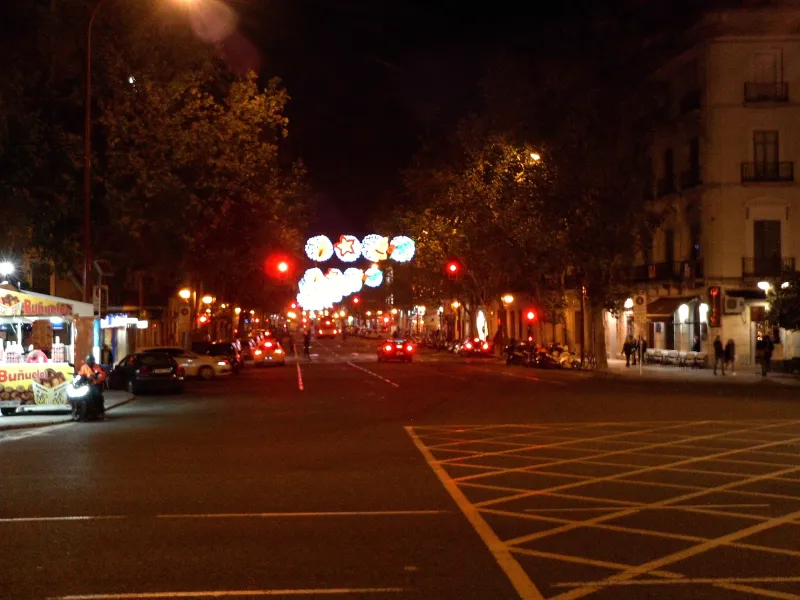 Christmas ItineraryA festive plan for Seville in December: the lights and Christmas market, the elaborate nativity scenes (belenes), seasonal sweets and food, comfortable cool-weather sightseeing, family evenings, and the rhythm of a Spanish Christmas through to Three Kings.
Alcázar gardens, river sunsets, rooftop terraces and candlelit patios — Seville for two.
 Romantic WalksThe most romantic routes to walk together in Seville: the lamplit lanes of Santa Cruz, the Alcázar gardens at opening, a golden-hour walk along the Guadalquivir, Plaza de España and María Luisa Park, and the bridge-and-Triana sunset loop. When to go, where to pause, and how the heat shapes each route.
 Rooftop SunsetsThe most romantic rooftop terraces and bars in Seville — hotel rooftops with the floodlit Giralda for a backdrop, where to catch the sunset, how to time the magic blue-hour window, and how to turn a rooftop drink into a perfect evening for two.
 HoneymoonA polished, paced honeymoon plan for Seville — where to stay, how to spend each day around the heat, the most romantic gardens, rooftops, dinners and flamenco nights, plus an easy Andalusian day trip and the small touches that make the trip feel like a celebration.
04 · A Seville lens · When to go
Seville routinely runs Europe's hottest big-city centre in July and August. Three real climate tools follow: the year as a set of seasonal bands, the single July day as a siesta dial, and the calendar of fiestas the city pours into the street for.
Avg. daytime highs from AEMET climate normals, 1991–2020 (Sevilla Aeropuerto).
Orange blossom (azahar) scents the streets; Semana Santa and the Feria de Abril fall here. The prime window.
Afternoons hit 40°C. Go dawn-and-dusk only, or wait. Cheaper hotels, near-empty plazas — for a price.
Heat eases through September; October is golden and calm. A quieter, kinder second season.
04a · Only-in-Seville
The sun-clock. Drag the hour: when the hand swings into the red band, the city closes its shutters — and so should you.
Model: a typical July day · highs ~36 °C · record 47.4 °C (14 Aug 2021, AEMET).
04b · The year in Seville
Holy Week — costaleros carry the pasos through the night; incense, drums, and saetas sung from balconies.
The alumbrao lights at midnight; a week of casetas, rebujito, sevillanas and horses on the albero.
Shutters down, terraces alive after dark. Plan mornings and nights; surrender the afternoons to the siesta.
Warm light, thin crowds, orange trees fruiting. The connoisseur's window for the Alcázar gardens.
04c · Triana · The compás
Flamenco's soleá runs in a 12-count cycle with accents on 3, 6, 8, 10 and 12. Tap play, or watch it pulse — the same pattern you'll clap in a Triana tablao.
Accented counts (palmas fuertes): 3 · 6 · 8 · 10 · 12 — the rest are soft claps.
05 · The city's rebus
You'll see it everywhere: bins, manholes, the city flag, the Town Hall. NO8DO is a rebus — NO, then a skein of wool (a madeja, “8”), then DO. Read aloud: no-madeja-do → “no me ha dejado.”
Legend credits King Alfonso X: when his son rebelled, Seville stayed loyal, and the king gave the city this motto of devotion. It is, in eight characters, the whole temperament of the place.
REAL · LEMA DE SEVILLAno · madeja · do
06 · What's on
Holy Week processions — candlelit pasos and brotherhoods through the small hours. Solemn, vast, unforgettable.
The April Fair — casetas, sevillanas danced till dawn, horses and polka-dot dresses by the Guadalquivir.
The world's foremost flamenco festival fills the city's theatres and patios every even year.
✦ · Seville iconography