
What to Eat in Seville
The dishes that define eating in Seville — salmorejo and spinach with chickpeas, fried fish and good jamón, the city's odd-but-beloved specialties and its sweet, convent-made treats — with what to order first and how the food shifts with the seasons and the heat.

Photo: Aurela Redenica / Unsplash · Unsplash License

- ✓Start with the cool classics: salmorejo, espinacas con garbanzos and a plate of jamón ibérico.
- ✓Fried fish — pescaíto frito — is a Seville signature; cazón en adobo (marinated dogfish) is the dish to try.
- ✓Local oddities worth ordering: caracoles (snails) in spring, and pavía-style cod or prawn fritters.
- ✓Cool weather brings hearty stews; high summer leans on cold soups, salads and grilled fish.
- ✓Save room for sweets — convent-made pastries, torrijas at Easter and orange-blossom flavours throughout.
The cool classics to order first
If you try only a handful of things in Seville, make them these. Salmorejo is the one to start with — a thick, velvety cold soup of blended tomato, bread, garlic and a generous slug of olive oil, served chilled and topped with chopped hard-boiled egg and shreds of jamón. It is richer and smoother than its better-travelled cousin gazpacho (which you'll also find, thinner and more drinkable), and on a hot day it is close to perfect. Order it almost anywhere; it's a benchmark dish that tells you a lot about a kitchen.
Next, espinacas con garbanzos — spinach stewed with chickpeas, cumin and a little vinegar, a Moorish-rooted dish that is humble, warming and quietly addictive, and happens to be vegetarian. Then a plate of jamón ibérico, Spain's great cured ham, sliced thin and eaten on its own or with bread; it needs no embellishment. Round the opening order out with a saucer of local olives and perhaps some tortillitas de camarones, lacy little shrimp fritters from the nearby coast. These few plates, with a cold drink, are the truest introduction to the city's table.
- Salmorejo — thick, cold tomato-and-bread soup with egg and jamón; the essential first order.
- Espinacas con garbanzos — spinach and chickpea stew, Moorish-rooted and vegetarian.
- Jamón ibérico — Spain's great cured ham, eaten plain or with bread.
- Tortillitas de camarones — crisp, lacy shrimp fritters from the coast.
Fried fish, the Seville way
Andalusia is the home of pescaíto frito — small fish and seafood dusted in flour and fried fast in good olive oil until light and crisp, never greasy. In Seville it is everywhere and it is done well, a legacy of the region's coast and a fixture of celebrations like the Feria. You'll see mixed fryers (a fritura) heaped with whatever is fresh, and individual stars worth knowing by name. The technique matters as much as the fish: a proper Andalusian frying makes the difference between a revelation and a disappointment.
The dish to seek out is cazón en adobo — chunks of dogfish marinated in vinegar, garlic and paprika, then floured and fried, tangy and tender inside its crust. Look too for boquerones (fresh anchovies, fried or served in vinegar), chocos or calamares (cuttlefish and squid), and adobo's gentler cousins. Eat it hot, with a squeeze of lemon and a cold beer or fino. It travels poorly and waits badly, so order it where it's busy and freshly fried rather than sitting under a light.
- Pescaíto frito — lightly floured fish fried crisp in olive oil; an Andalusian signature.
- Cazón en adobo — vinegar-and-paprika-marinated, fried dogfish; the dish to try.
- Boquerones, chocos and calamares round out the fryer; eat hot with lemon.
Local oddities and bolder plates
Once the classics are under your belt, Seville rewards a little adventure. In spring the city goes mad for caracoles — small snails simmered in a fragrant, herby broth and eaten with a toothpick or by sucking them from the shell — a seasonal ritual you'll see advertised on hand-painted signs as the weather warms. Slightly larger cabrillas appear too. It's cheap, sociable street-and-bar food, and trying it is a small rite of passage; the broth is the point as much as the snails.
Other plates worth ordering with curiosity: carrillada, slow-braised pork or beef cheeks that fall apart in a rich sauce, brilliant in the cooler months; pavía, cod or prawn fingers in a light batter; menudo or callos, tripe stews for the committed; and ensaladilla rusa, the cold, mayo-bound potato salad that is a bar staple done with surprising pride here. Game and bull-tail (rabo de toro) appear on heartier menus. None of this is exotic to a Sevillano — it's just the fuller range of the table once you've moved past the greatest hits.
- Caracoles — herby broth snails, a spring street-and-bar ritual; cabrillas are the bigger version.
- Carrillada — melting braised pork or beef cheeks, best in cooler weather.
- Pavía (battered cod/prawn fingers), tripe stews and ensaladilla rusa for the curious.

Sweets, convents and orange blossom
Seville has a serious sweet tooth and a uniquely beautiful way of satisfying it: dulces de convento, pastries made by cloistered nuns and sold through a torno, a revolving wooden hatch that lets you buy without seeing the seller. Yemas (candied egg-yolk sweets), pestiños (honey-glazed fritters) and almond cakes are typical, and the ritual of buying them is half the pleasure. Beyond the convents, look for tocino de cielo, an intense crème-caramel-like custard, and the city's love of cinnamon, almond and citrus.
Some sweets are tied to the calendar. At Easter, torrijas appear everywhere — bread soaked in milk or wine, fried and dusted with cinnamon and sugar, Seville's answer to French toast and a Semana Santa essential. Christmas brings polvorones and mantecados, crumbly almond shortbreads from the nearby town of Estepa. And running through all of it is azahar, orange blossom, the scent of Seville's spring streets, which turns up as a flavouring in pastries, drinks and ice cream. Finish a meal with one of these and a coffee and you've eaten the city properly.
- Dulces de convento — nun-made pastries (yemas, pestiños) bought through a revolving torno.
- Torrijas at Easter — cinnamon-dusted fried bread, a Semana Santa essential.
- Orange-blossom (azahar) flavours and tocino de cielo custard run through the city's sweets.
What to drink alongside
The drinks are part of the food. Cold sherry from nearby Jerez and Sanlúcar is the natural partner to Seville's tapas — bone-dry fino and manzanilla with fried fish and olives, nuttier amontillado with richer plates, sweet Pedro Ximénez with dessert. A small beer (a caña) suits almost anything and the heat. In summer you'll see tinto de verano, red wine lengthened with soda or lemon, drunk far more casually than sangría, and rebujito, manzanilla mixed with lemonade, which is the drink of the Feria.
None of it needs to be complicated. Ask the barman what goes with what you've ordered and you'll rarely be steered wrong; the pairings here are lived-in rather than precious. Coffee closes a meal — a solo (espresso) or cortado — often with one of the sweets above. For a deeper dive into the sherry world and where to taste it, the dedicated guides below pick up the thread.
- Sherry from Jerez/Sanlúcar — dry fino and manzanilla with tapas; sweet PX with dessert.
- A caña (small beer) suits the heat; tinto de verano and rebujito are the casual summer pours.
- Finish with a cortado or solo and a convent sweet.

Market snacks and where the freshest food is
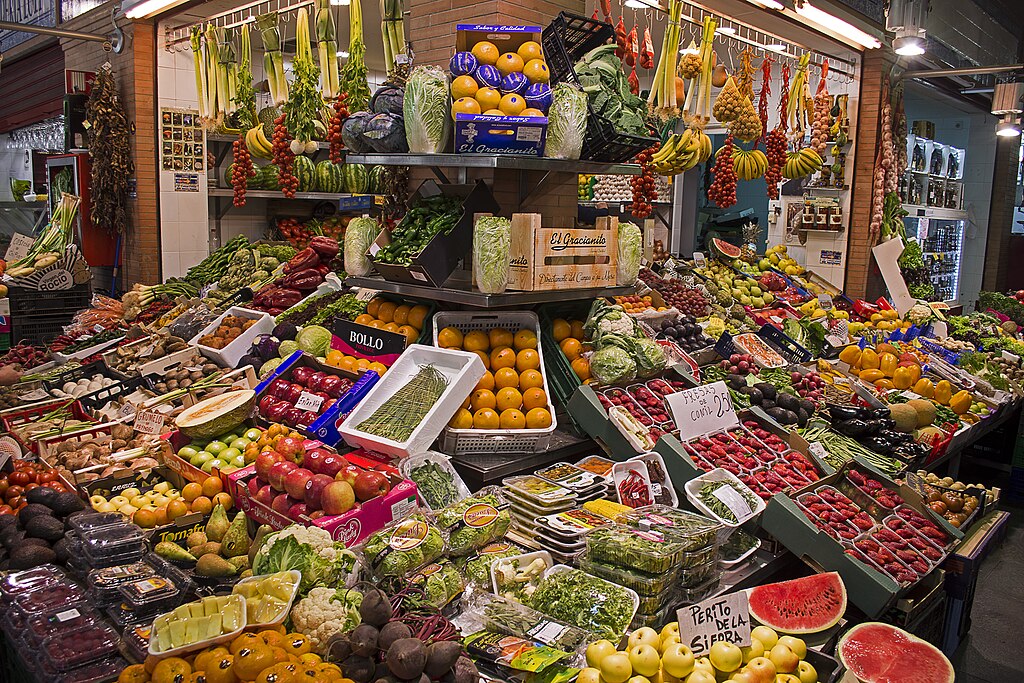
Some of the best eating in Seville happens at and around the food markets, where the produce is at its freshest and the bar counters serve it almost straight from the stall. The Mercado de Triana, across the river beside the old castle, is the most atmospheric — a working market with bars tucked among the fish, meat and produce stalls where you can eat oysters, fried fish, ham and the day's seafood with a glass of something cold, surrounded by the trade that supplies the city's kitchens. It's a brilliant, low-key place to graze, and it pairs naturally with the neighbourhood's ceramics and flamenco.
Other markets do the same in their own register — the riverside food hall at the Lonja del Barranco for a sociable, modern spread, and the everyday neighbourhood mercados where locals shop. The rule that holds across all of them is freshness: order what's in season and in front of you, especially fish and seafood, and you'll eat as well as anywhere in the city for very little. A market lunch is also a fine heat strategy — quick, light, refreshing — and a good way to taste several specialties in one stop before the afternoon closes in.
- Mercado de Triana — eat fish, seafood, ham and oysters at bars among the stalls.
- Lonja del Barranco riverside food hall for a modern, sociable spread.
- Order what's in season and in front of you, especially seafood, for the best value.

At a glance
A quick order-of-attack for a first-timer, and a reminder that the menu shifts with the season and the heat. Prices and specials change and vary by bar, so treat this as a what-to-look-for list rather than a fixed checklist.
- Start cool: salmorejo, espinacas con garbanzos, jamón ibérico, olives.
- Then fried fish: pescaíto frito, and especially cazón en adobo.
- Get adventurous: caracoles in spring, carrillada in winter, ensaladilla rusa anytime.
- Sweet finish: convent pastries, torrijas at Easter, orange-blossom flavours.
- Drink with it: fino or manzanilla, a caña, tinto de verano in summer.
- Season matters: stews in the cool months, cold soups and grilled fish in the heat.

Best Tapas Bars in Seville
How to choose where to do tapas in Seville: the difference between classic tiled institutions, modern kitchens, deeply local bars and central crawl spots, which neighbourhoods reward a tapas evening, and how to build a crawl that flows.
Read guide
Seville Food Tours Guide
How to choose a Seville food tour: the difference between evening tapas crawls, daytime market walks, sherry and wine tastings, Triana neighbourhood routes and private tours — who each suits, what to expect, and how to book the right one.
Read guide
Vegetarian & Vegan Seville
Seville is far kinder to vegetarians and vegans than its ham-hung bars suggest. The classic tapas to order, the dedicated veggie and vegan restaurants, the market and café stops, and the Spanish phrases that keep hidden meat off your plate.
Read guideMore in Food & Drink
6
Best Breakfast & Brunch in Seville
How to start the day in Seville — the local tostada-and-coffee ritual, where to find churros and pastries, the international brunch scene for a slower morning, and why an early breakfast is the smartest move you'll make in the heat.
Read guide
Best Cafés in Seville
A guide to choosing a Seville café for the right moment — a traditional tiled coffee house, a third-wave specialty bar, a leafy people-watching terrace, a cool work-friendly room or a cake-and-pastry stop — and how to use cafés as the city's best shade and pause from the heat.
Read guide
Best Churros in Seville
Where, when and how to eat churros con chocolate in Seville: the local calentitos and tejeringos, the difference from porras, the morning and late-night timing, what to order, and how a churrería breakfast fits a Seville day.
Read guide
Best Flamenco Shows in Seville
How to choose a flamenco show in Seville without falling into the tourist trap: the difference between polished tablaos, intimate small-venue shows, Triana's options, the Flamenco Museum's stage and the serious peñas, plus where each type suits you and how to book a night you'll remember.
Read guide
Best Ice Cream in Seville
A cold-stop guide to Seville: the difference between artisan helado, gelato and granizado, the flavours worth trying (turrón, leche merengada, Andalusian fruits), how to use ice cream to survive the heat, where to find it, and the family-friendly logistics.
Read guide
Best Restaurants in Seville
A framework for choosing where to eat in Seville rather than a brittle list of names: how to pick between a classic tapas crawl, a modern Andalusian kitchen, a romantic dinner, a family meal and a special-occasion splurge — and how to reserve, time and pace it around the heat.
Read guide