
Best Beaches Near Seville
Seville has no beach of its own, but the Atlantic is closer than you think. A practical guide to the best beaches within reach — Cádiz, the Costa de la Luz, Huelva, Matalascañas and the Doñana coast — with how to get there by train, bus or car, when to go, and how to turn a hot Seville day into a sea breeze.

Photo: Christian Hergesell / Unsplash
- ✓Seville is landlocked, but the Atlantic coast of Cádiz and Huelva is roughly an hour to ninety minutes away — close enough for a real beach day.
- ✓Cádiz is the easiest by public transport: a direct train from Santa Justa drops you a short walk from city beaches like La Caleta and La Victoria.
- ✓Matalascañas and the Doñana-edge beaches are the nearest sand by car, but have no train — reach them by bus or your own wheels.
- ✓These are Atlantic beaches: wide, breezy and cooler than the Med, with real waves, real tides and stronger currents — check flags and conditions.
- ✓Go on the hottest days, start early, and treat all timetables, prices and parking as things to verify close to your trip.
Seville has no beach — here's the honest picture
Let's be clear from the start: Seville sits inland on the Guadalquivir, about 80 kilometres from the open sea, so there is no beach in the city itself. What there is, though, is one of the most beautiful and underrated stretches of Atlantic coast in Spain within an easy day's reach — the Costa de la Luz, the 'coast of light', running south through Cádiz province and west through Huelva. On a punishing summer afternoon, when the old town shimmers at 38 degrees, the idea of swapping tiled courtyards for a long flat beach and a sea breeze becomes very persuasive indeed.
The trick is choosing the right beach for how you want to travel. If you don't have a car, the train to Cádiz is the clear winner — fast, frequent and dropping you within walking distance of sand. If you do have a car (or are willing to take a bus), the nearest beaches are actually in Huelva province, on the edge of the Doñana wetlands, where the sand is wide and the development sparse. This guide runs through the realistic options in order of usefulness, with the practical logistics that turn 'we should go to the beach' into an actual plan. Treat every timetable, fare and parking note as something to confirm close to your dates, because seasonal schedules shift.
Cádiz: the easy one by train
If you want a beach day with zero driving and minimal planning, Cádiz is the answer. A direct regional train runs from Seville's Santa Justa station down to the city of Cádiz, and the journey lands you on a slim peninsula almost entirely surrounded by water. The historic centre is one of the oldest continuously inhabited cities in Western Europe — a salt-washed maze of narrow lanes, watchtowers and a golden cathedral — and the beaches are part of the package, not an afterthought.
Two beaches stand out. La Caleta is the small, photogenic city-centre cove framed by two old castles, beloved of locals and the backdrop to many a film; it's tiny and gets busy, but the setting is unbeatable. For space, walk or hop a bus south to Playa de la Victoria, a long, broad sweep of golden sand with chiringuitos (beach bars), showers and room to breathe. Because you arrive by train, Cádiz works beautifully as a combined day: morning in the old town and at the market, afternoon on the sand, a seafood lunch of fried fish in a paper cone somewhere in between. It is, hands down, the most practical beach escape from Seville for anyone without a car.
- Direct train from Santa Justa — no car needed; verify the current timetable and journey time before you go.
- La Caleta: small, beautiful, castle-framed city cove — great for the view, busy in summer.
- Playa de la Victoria: long, wide beach with beach bars and facilities, a short walk or bus from the centre.
- Pair the beach with Cádiz's old town and seafood for a full, easy day.
The Costa de la Luz: Conil, El Palmar, Bolonia and beyond
South of Cádiz city, the Costa de la Luz unfurls into some of Andalusia's most gorgeous Atlantic beaches — and this is where a car earns its keep, because public transport gets patchier the further you go. Conil de la Frontera is a whitewashed beach town with broad sands and a lively but unpretentious feel. El Palmar is the laid-back surf-and-sunset spot, a long open beach where the day ends with people clapping the sundown. Further down, Bolonia pairs a wild, dune-backed beach with the substantial Roman ruins of Baelo Claudia right behind it — beach and archaeology in one stop. And Zahara de los Atunes and the area around Tarifa take you into kitesurf-and-wind country at the very tip of Spain.
These are postcard beaches, but be realistic about the distance: most are well over an hour and a half from Seville by car, so they make a long day rather than a quick dip. Go for them when the beach is the whole point of the trip, not a side-quest. In high summer the coastal roads and car parks fill, so arrive early, and remember this is the Atlantic at its breeziest — that famous Tarifa wind is a windsurfer's dream and a sunbather's occasional annoyance. Check conditions and the wind forecast before committing to a particular beach.
- Conil, El Palmar, Bolonia and Zahara are stunning but car-dependent and 90+ minutes out — a full day, not a quick trip.
- El Palmar for surf and sunsets; Bolonia for beach plus Roman ruins; Tarifa for wind and kitesurfing.
- Arrive early in summer for parking; check the wind forecast, as the Atlantic coast can be breezy.
Matalascañas and the Doñana coast: the nearest sand by car
Look west instead of south and you reach Huelva province, where the closest beaches to Seville actually lie. Matalascañas is the headline: a long, broad Atlantic beach backed by dunes on the very edge of the Doñana National Park, and one of the quickest stretches of open sand you can reach from the city by car. There's no train, but buses run, and the drive is shorter than the trip to most of the Cádiz coast — which makes Matalascañas the default 'we just want sea, fast' option for car-owners and bus-takers alike.
The wider Huelva coast rewards a little more exploring. Mazagón offers a quieter, pine-backed beach; Punta Umbría is a popular and well-equipped resort town; and the whole coastline shares that wide, dune-and-pine, less-built-up Atlantic character that feels worlds away from the Mediterranean costas. Because Matalascañas sits right beside Doñana — one of Europe's most important wetlands, home to wild birds and the elusive Iberian lynx — you can pair a beach morning with a Doñana excursion, turning a day at the sea into something more memorable than a sunbathe.
- Matalascañas (Huelva) is the nearest big Atlantic beach to Seville — reachable by bus or car, no train.
- Dune-backed and broad, right on the edge of the Doñana National Park.
- Mazagón and Punta Umbría are quieter and resort-style alternatives nearby.
- Combine a beach morning with a Doñana wildlife excursion for a richer day.
How to get there: train, bus and car compared
Your transport decides your beach. By train, Cádiz is the only major beach you can reach directly and comfortably from Santa Justa — it's the gold-standard car-free option, and the reason most beach day-trippers from Seville end up there. By bus, you broaden the menu: services run to Matalascañas and along the Huelva and Cádiz coasts, though they're slower and less frequent than the train, so check timetables carefully and don't count on a casual last bus back. By car, everything opens up — Matalascañas is the quick fix, and the dreamier Costa de la Luz beaches become viable — but you'll want to leave early to beat both the heat and the parking crunch on summer weekends.
Whatever you choose, build the day around the heat and the light. Leave Seville in the morning, swim and eat through the hottest hours when the city would be unbearable anyway, and you'll often roll back into town in time for a late tapas evening. Pack sunscreen, water and a hat — the Atlantic sun is deceptive when there's a breeze — and keep an eye on the beach flags, because these are tidal, wave-prone waters with currents to respect, not the millpond Med. Confirm return services before you set off so a great day doesn't end with a stranded scramble.
- Train → Cádiz: the easiest, fastest car-free beach day from Seville.
- Bus → Matalascañas and parts of the Cádiz/Huelva coast: workable but slower; check return times.
- Car → everywhere, especially Matalascañas (quick) and the Costa de la Luz (a full day) — leave early in summer.
- Always verify current timetables, fares and parking close to your trip.
Atlantic beach know-how (and when it's worth it)
A word on what these beaches are actually like, because they're not the calm, warm Mediterranean. The Costa de la Luz is Atlantic: the water is cooler and more bracing, the waves are real, the tides move the shoreline noticeably through the day, and on windy stretches like Tarifa the breeze is a constant companion. That's a feature, not a bug — it's exactly why this coast stays comfortable when inland Andalusia bakes, and why it draws surfers and kitesurfers — but it means you should swim where it's flagged safe, mind children near the water, and pick a sheltered beach if you want flat calm.
When is a beach trip from Seville worth it? Squarely in summer, when the city's heat makes a sea breeze feel like salvation, and on any warm-weather trip where you'd happily trade a third palace for a horizon of water. In the cooler months it's less compelling — the sea is cold and the days short — and you're better off saving the day for Córdoba, Ronda or another inland trip. But from late spring through early autumn, a beach escape is one of the smartest cards Seville hands you: an hour or two of travel, and you've swapped 38 degrees of old-town heat for the wide, breezy, light-soaked edge of the Atlantic. Choose Cádiz if you're car-free, Matalascañas if you just want the nearest sand, and the Costa de la Luz if the beach itself is the whole reason you're going.
- Expect Atlantic conditions: cooler water, real waves, moving tides, and breeze — swim where flagged.
- Best in summer and warm shoulder months; skip it in winter for an inland day trip instead.
- Quick pick: Cádiz (no car), Matalascañas (nearest sand), Costa de la Luz (beach is the point).

Cádiz Day Trip from Seville
How to do Cádiz from Seville: a relaxed train to one of Europe's oldest cities, with a sea-wrapped old town, golden cathedral, fresh seafood and city beaches — plus the timing, the weather watch and when Cádiz beats another inland culture day.
Read guide
Doñana Day Trip from Seville
Whether Doñana works as a day trip from Seville: the wetlands and wildlife you'll actually see, the seasons that matter, why you can't drive into the park yourself, and how to build a realistic day around an official 4x4 tour.
Read guide
Seville Summer Heat Guide
How to enjoy Seville in serious heat: an early-start, midday-rest, late-evening rhythm, plus shade routes, pools, taxis, hydration and the safety basics — so the hottest big city in Europe stays a pleasure, not a punishment.
Read guideMore in Day Trips
6
Best Day Tours from Seville
When a guided day tour beats doing it yourself — and which ones are genuinely worth it. A comparison of organised day trips from Seville to Córdoba, Ronda and the white villages, Cádiz, Jerez, Itálica and Doñana, by who they suit, what they solve and when you're better off taking the train alone.
Read guide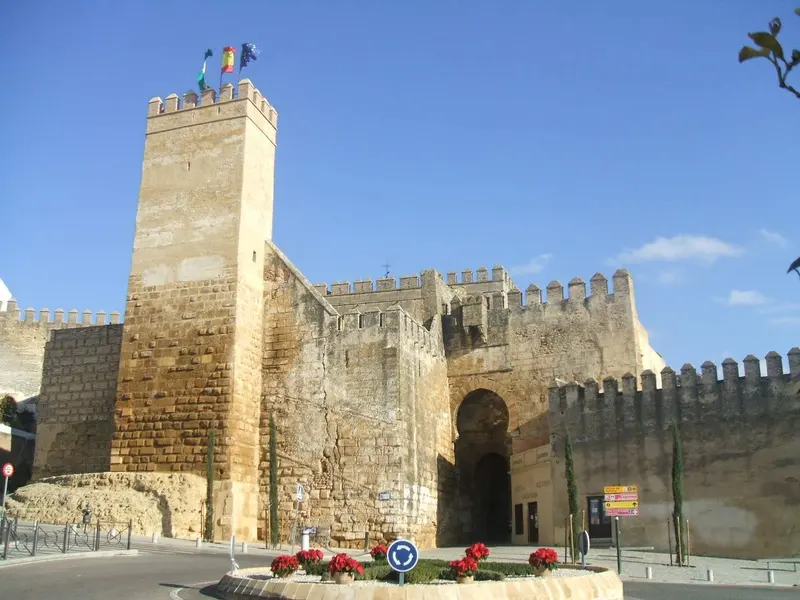
Carmona Day Trip from Seville
How to do Carmona from Seville: the Roman gates and necropolis, the clifftop viewpoints over the Vega, a parador lunch with a view, bus timing, and why this hilltop town makes one of the easiest small-town escapes from the city.
Read guide
Córdoba Day Trip from Seville
How to do Córdoba from Seville: the fast high-speed train versus a tour, booking the Mezquita-Catedral, a relaxed route through the Judería, patios and Roman bridge, and the heat-and-timing tradeoffs that make or break the day.
Read guideCórdoba or Cádiz from Seville?
Both Córdoba and Cádiz are easy, train-friendly day trips from Seville — but they're completely different days out. A clear-headed comparison by travel time, season, heat, food, scenery and the kind of traveller you are, so you can pick the right one (or sequence both).
Read guide
Gibraltar Day Trip from Seville
Whether Gibraltar is worth the long day from Seville: the distance and border reality, the passport and currency quirks of crossing into British territory, what the Rock and its apes actually deliver, and how a tour compares with going it alone.
Read guide
Granada Day Trip from Seville
An honest look at Granada as a day trip from Seville: why the distance and the Alhambra ticket system make it a stretch, how trains, buses and tours compare, and the better alternatives if a single day won't do it justice.
Read guide