
Guadalquivir River Walks
The best riverside walks in Seville: which bank to choose, the bridges to cross, where the sunsets land, how Triana and El Arenal frame the water, and how to pace a river evening in the heat.

Photo: Taisia Karaseva / Unsplash
- ✓Seville's stretch of the Guadalquivir is calm and walkable, lined with palm-shaded promenades on both banks — the city's best free pleasure.
- ✓The east bank (El Arenal, Torre del Oro) gives you the monuments; the Triana bank gives you the views, the bars and the sunset light.
- ✓Cross at the Puente de Isabel II (Triana bridge) — Seville's iconic iron bridge — to loop between the two sides.
- ✓Golden hour is the moment: the water glasses over, the towers turn honey-coloured, and the riverside terraces fill.
- ✓In summer, save the river for early morning or evening; there's little shade at midday and the heat is fierce.
Why the river is Seville's secret pleasure
Seville grew up facing the Guadalquivir — the only great navigable river in southern Spain, the highway that once carried fleets to and from the Americas. Today the stretch that runs through the city is no longer a working seaport but a long, gentle ribbon of water, tamed and calmed, with broad promenades on both banks. After the heat and crowds of the monumental core, the river is where the city loosens its collar: a place for a slow walk, a run, a row, a sunset and a drink, almost all of it free.
What makes it special is the framing. On one side rise the Torre del Oro, the bullring and the cathedral skyline; on the other, Triana's whitewashed houses and tiled bars step right down to the water. Between them stretch the bridges, the rowers and the low golden light of an Andalusian evening. You can do the river in twenty minutes or lose a whole evening to it — and the second is the better choice.
Choosing your bank
The river has two characters depending on which side you walk. The east bank — the city side — runs past the Torre del Oro, the Maestranza bullring and the cathedral district, with the palm-lined Paseo de Cristóbal Colón as its spine. This is the monumental side: grand buildings on your shoulder, the water on your other side, and easy access back into El Arenal for tapas.
The west bank is Triana, and for many it is the better walk. From Calle Betis — the row of bars and houses facing the old city — you look across at the Torre del Oro, the Giralda and the rooftops bathed in evening light. The view is on this side; so are the most characterful riverside terraces. The ideal is to do both: stroll out along one bank, cross a bridge, and return along the other as the sun drops.
- East bank (Paseo de Cristóbal Colón): the monuments — Torre del Oro, bullring, cathedral skyline.
- West bank (Calle Betis, Triana): the views back at the old city, plus the best riverside bars.
- Best of both: walk out one side, cross a bridge, return on the other at golden hour.
The bridges that stitch the banks
The crossings are part of the pleasure. The Puente de Isabel II — universally known as the Puente de Triana — is the city's signature bridge: a graceful 19th-century iron span, one of the oldest of its kind in Spain, that lands you right at the Triana market and the start of Calle Betis. It is the natural pivot for a there-and-back river loop.
Further south, the modern Puente de San Telmo carries you between El Arenal and Triana near the Torre del Oro, while to the north the sleek white Puente del Alamillo — built for the 1992 Expo — arcs dramatically toward La Cartuja and makes a fine distant landmark. For a first walk, the Triana bridge is all you need; pick it as your turning point and the loop almost designs itself.
- Puente de Isabel II (Triana bridge) — the iconic iron span; the best place to cross.
- Puente de San Telmo — a handy crossing near the Torre del Oro.
- Puente del Alamillo — the dramatic white Expo '92 bridge to the north (a landmark more than a route).
Map pins
Map data © OpenStreetMap contributors · Tiles © OpenFreeMap
Where the sunsets land
Sunset is the river's headline act, and the best seats face west into the light or look back to catch it on the monuments. The terraces of Calle Betis on the Triana side are the classic spot: a cold drink, the iron bridge to your right, and the Torre del Oro and Giralda gilding across the water. The Puente de Triana itself, and the open steps and benches around the Triana market, give you the same view without the bar bill.
On the city bank, the Paseo de Cristóbal Colón and the riverside garden of the Muelle de la Sal catch the warm reflected light beautifully. Wherever you settle, arrive twenty minutes before the sun actually drops — the long build-up of colour, with rowers and the odd sightseeing boat sliding across the gold, is the real show.
On the water: rowing, kayaks and cruises
The Guadalquivir is also Seville's playground. Rowing is a local institution — watch for eights and sculls slicing the early-morning calm — and you'll often see kayaks and paddleboards out on the water too; several operators rent them along the banks if you fancy a turn. It's a different, lovely angle on the city, low to the water with the towers rising above you.
Sightseeing cruises run from the quay near the Torre del Oro and offer an easy, sit-down version of the river, especially appealing at sunset or for anyone footsore from the monuments. They're pleasant rather than essential — the walking views are just as good and free — so treat a cruise as a relaxed add-on rather than a must. Check current timetables and prices with the operators before counting on a particular departure.

Where the river meets the city
Part of what makes a Guadalquivir walk so easy to love is everything that crowds its banks. On the city side you pass the Torre del Oro, the elegant Maestranza bullring, the Maestranza opera house and, set back, the cathedral skyline; the riverside food hall Mercado Lonja del Barranco sits right by the water for a drink or a bite mid-stroll. Cross to Triana and you land at the Mercado de Triana market, the ceramic workshops, and the chapel of the Virgen del Carmen on the bridge.
This is the connective tissue of Seville — the seam where two of its most characterful neighbourhoods face each other across the water. A river walk is rarely just a river walk: it's the natural way to move between El Arenal and Triana, to stitch a morning of monuments to an afternoon of ceramics and tapas, and to feel how the whole city is organised around its one great waterway.
- City bank: Torre del Oro, the Maestranza bullring and opera house, Lonja del Barranco food hall.
- Triana bank: the Mercado de Triana, ceramic workshops, and Calle Betis bars.
- The river is the easiest way to link El Arenal with Triana on foot.
Pacing a river evening in the heat
The riverside is gloriously open — which is exactly why it bakes at midday. From late spring to early autumn there is little shade on the promenades, so treat the river as an early-morning or evening pleasure: a dawn walk while the rowers train and the city sleeps, or an evening stroll that starts an hour or two before sunset and rolls into dinner. The middle of a summer day is for shade and siesta, not the riverbank.
A simple, reliable plan: begin on the east bank near the Torre del Oro in the late afternoon, walk north to the Triana bridge, cross to Calle Betis, and claim a terrace for sunset and tapas as the towers glow across the water. Carry water, wear sun cover until the light softens, and let the evening unspool. It is, for very little money, one of the loveliest things you can do in Seville.
- Walk the river early morning or evening in warm months — midday has little shade.
- A classic loop: Torre del Oro → Triana bridge → Calle Betis for sunset and tapas.
- Carry water and sun cover; let the evening, not the clock, set the pace.
Three river walks to try
If you'd rather follow a route than wander, here are three that suit different moods. The first is the classic golden-hour loop: start at the Torre del Oro on the city bank in the late afternoon, walk north to the Puente de Isabel II, cross into Triana, and amble back south along Calle Betis to a riverside table for sunset and tapas. It's about an easy hour of walking before you stop, and it delivers the postcard view of the towers glowing across the water.
The second is a calm morning stretch for runners and early risers: the same banks at dawn, when the rowers train, the air is cool and the promenades are almost empty — perfect before the day's sightseeing begins. The third, for a slower romantic evening, keeps you on the Triana side: drinks on Calle Betis, a wander past the market and the ceramic shops, and the lit bridges and the Giralda mirrored in the dark river on the way home. None requires a ticket, a guide or a plan beyond comfortable shoes and a little water.
- Golden-hour loop — Torre del Oro → Triana bridge → Calle Betis for sunset (about an hour of walking).
- Dawn stretch — cool, quiet banks with the rowers out, ideal before sightseeing.
- Slow Triana evening — Calle Betis drinks, market and ceramics, lit bridges on the way back.

Triana Guide
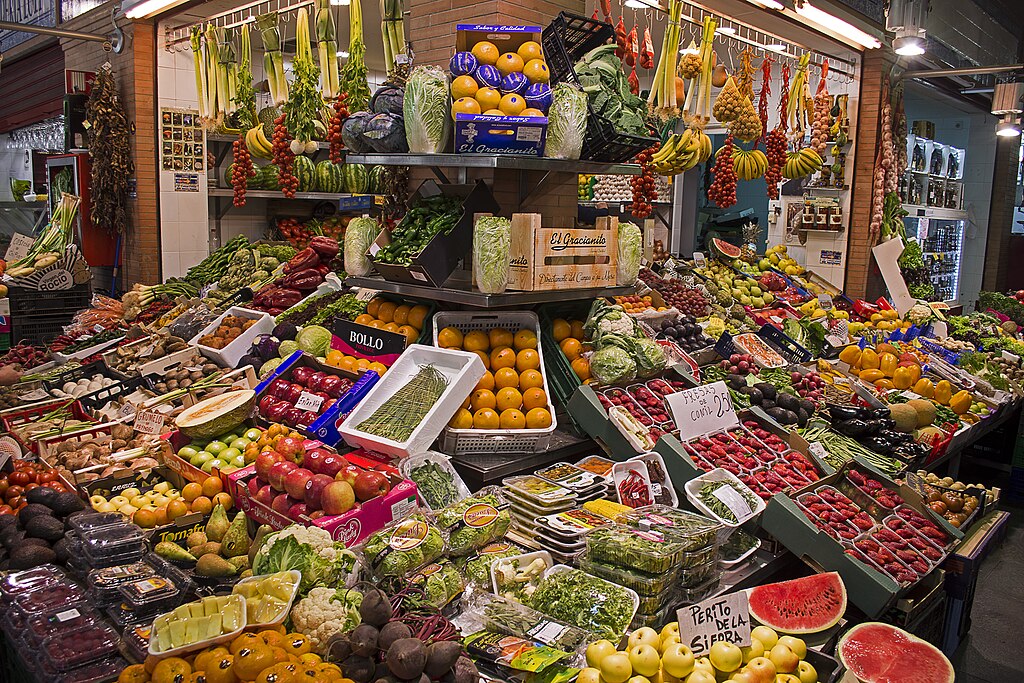
Seville's proud neighbourhood across the Guadalquivir: flamenco roots, ceramic workshops, the Triana market, river-facing terraces on Calle Betis, real tapas, and what it's like to stay on the far bank.
Read guide
Torre del Oro Guide
How to enjoy Seville's riverside watchtower: the story behind the Tower of Gold, its small naval museum and rooftop viewpoint, the Guadalquivir walk it anchors, and how to time it with the river and El Arenal.
Read guide
Romantic Walks in Seville
The most romantic routes to walk together in Seville: the lamplit lanes of Santa Cruz, the Alcázar gardens at opening, a golden-hour walk along the Guadalquivir, Plaza de España and María Luisa Park, and the bridge-and-Triana sunset loop. When to go, where to pause, and how the heat shapes each route.
Read guideMore in Things to Do
6
Archivo de Indias Guide
Why the Archivo General de Indias belongs on your Seville list: what's inside the great archive of the Spanish Americas, the Renaissance building it lives in, how free entry works, and how to slot it between the Cathedral and the Alcázar.
Read guide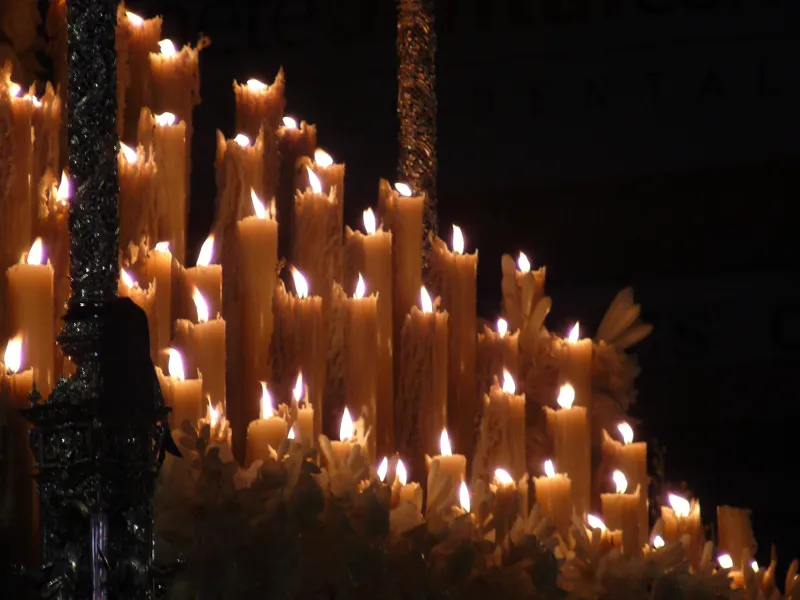
Basílica de la Macarena Guide
How to visit the Basílica de la Macarena in northern Seville: the beloved image of the Virgin of Hope, the on-site treasury museum, the Roman wall beside it, and the basilica's deep ties to Semana Santa.
Read guide
Best Free Things to Do in Seville
The best free things to do in Seville: grand plazas, shaded parks, riverside walks, beautiful churches, viewpoints, free-entry museum windows, and the heat-smart way to string them together without spending a euro.
Read guide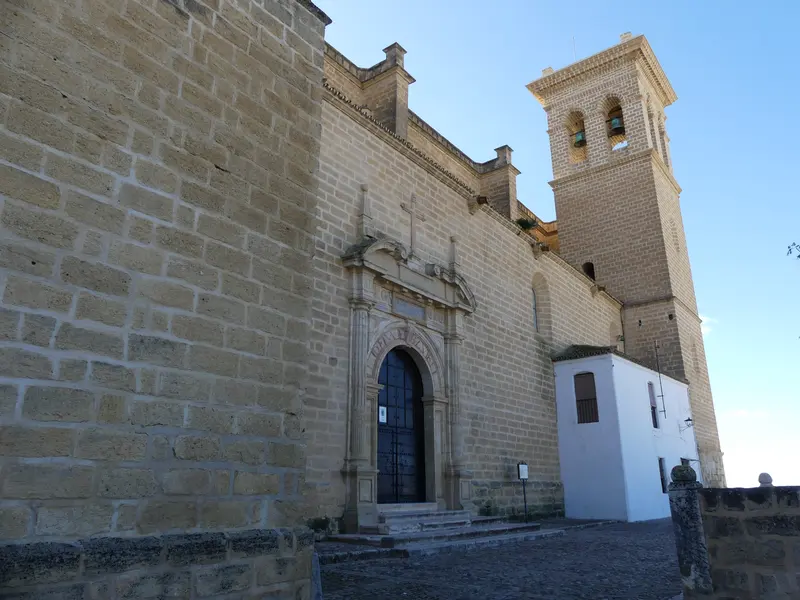
Best Museums in Seville
A decisive guide to Seville's museums: the golden-age paintings of Bellas Artes, the living art of the flamenco museum, contemporary work at the CAAC, ceramics in Triana and the palace-museums — compared by art, history, rain value and who each suits.
Read guide
Best Palaces in Seville
Seville is a city of palaces — royal, aristocratic and ecclesiastical. A decisive guide to the Real Alcázar, Casa de Pilatos, Palacio de las Dueñas and the lesser-known palace-homes: which to choose, how to combine them, and how to avoid palace fatigue.
Read guide
Best Photography Spots in Seville
The best places to photograph Seville and exactly when to shoot them: Plaza de España's tiled curves, Alcázar patios, the Giralda framed down narrow lanes, rooftops, river bridges and Santa Cruz patios — built into a golden-hour route around the heat.
Read guide