
San Luis de los Franceses Guide
A compact guide to the Iglesia de San Luis de los Franceses, Seville's great Baroque jewel-box in the Macarena district: the dome, the crypt, the upstairs chapel, plus tickets, timing and nearby stops most visitors miss.

Photo: Leonhard Niederwimmer / Unsplash
- ✓One of Seville's finest Baroque interiors — a former Jesuit novitiate church with a soaring frescoed dome, marble columns and gilded altarpieces.
- ✓A circular floor plan crowned by a single dome makes the whole space read at a glance — small, intense and theatrical.
- ✓Don't miss the lower crypt and the upstairs Capilla Doméstica, a tiny gilded domestic chapel.
- ✓It's a paid municipal visit in the Macarena district, well off the tourist core and rarely crowded.
- ✓Pair it with the Macarena basilica and a northern-Seville morning; verify hours and price on the official site.
Seville's Baroque showpiece
If the Cathedral is Seville's grand statement and the Alcázar its Mudéjar dream, the Iglesia de San Luis de los Franceses is its Baroque secret. Built in the early 18th century as the church of a Jesuit novitiate, it is a compact, dazzling explosion of Andalusian Baroque: a centralised, dome-topped space where painted ceilings, twisting marble columns, gilded altarpieces and sculpture all conspire to overwhelm you in the best possible way. It is small — you can take it in from the centre of the floor — but the intensity is exactly the point.
For all its drama, it remains relatively unknown to first-time visitors, who spend their days in the lanes around the Cathedral and never make it north to the Macarena. That's their loss and your gain: this is one of the most rewarding interiors in the city, and you'll often have it nearly to yourself. The name — 'of the French' — comes from its later association with a French connection in the district, but what you've come for is pure, ecstatic Sevillian Baroque.
What you're looking at
The plan is the first thing to grasp. Rather than a long nave, San Luis is built on a centralised, broadly circular scheme — a Greek-cross-within-a-square crowned by a single great dome. That means the whole interior resolves from the middle of the floor: stand there, turn slowly, and look up. The dome's fresco draws the eye heavenward, and the four supporting columns and arches frame altarpieces in each direction, so the decoration wraps around you rather than marching ahead of you.
Then it's about the details. The estípite columns — the twisting, tapering Baroque pilasters — drip with gilt; the retablos are dense with carved and painted saints; and the marble work, the sculpture and the ceiling paintings reward slow looking. The colour palette is warm and gold-heavy, and on a bright day the light through the dome's lantern sets the whole thing glowing. Give yourself time to simply stand and look up; this is a building made for that.
- A centralised, dome-crowned plan — the whole space reads from the middle of the floor.
- A grand frescoed dome; look straight up from the centre.
- Gilded estípite columns, dense Baroque retablos and rich marble and sculpture.
- Best on a bright day, when light through the lantern lifts the gold.
The crypt and the upstairs chapel
The church alone would justify the visit, but two smaller spaces are part of the ticket and easy to miss. Below, a crypt offers a cool, sober counterpoint to the exuberance above — a reminder that this was a working religious complex, not just a feast for the eyes. Take the stairs down and let the contrast register before you head back up.
Upstairs, seek out the Capilla Doméstica, the little 'domestic chapel' the novices used for everyday devotion. Where the main church is grand and public, this one is intimate and almost overwhelming in its concentrated gilt — a miniature Baroque world. Together with the great dome, these two spaces make San Luis feel complete: high drama, quiet crypt and jewel-box chapel, all in one compact stop.
- The crypt below — a cool, sober contrast to the gilded church above.
- The Capilla Doméstica upstairs — a tiny, intensely gilded domestic chapel.
- Both are included in the visit; don't leave without seeing them.
A Jesuit church with a complicated history
Knowing a little of the backstory makes the building far richer to stand in. San Luis was raised as the church of a Jesuit novitiate — the place where young men trained for the Society of Jesus — and its very architecture was a teaching tool, designed to model the heavens, the saints and the rewards of the religious life in carved and painted form. The whole interior is, in a sense, a piece of persuasion: Baroque art at its most deliberately overwhelming, built to move the soul.
Its later history is bumpier than that serene interior suggests. When the Jesuits were expelled from Spain in the 18th century, the complex lost its original community, and over the following centuries the buildings served a string of very different uses before being restored and opened as the cultural monument you visit today. That survival is itself part of the story: a great deal of Sevillian Baroque was lost to closures, fires and neglect, and San Luis is one of the most complete and best-preserved interiors to come through it all. You're looking not just at a beautiful church but at a survivor.
- Built as the church of a Jesuit novitiate — its art was designed to teach and persuade.
- Lost its community when the Jesuits were expelled in the 18th century.
- Served various uses before being restored as today's cultural monument.
- One of the most complete surviving Sevillian Baroque interiors.
Tickets, hours and timing
San Luis de los Franceses is a municipally managed monument with a modest admission charge, and there may be reduced or free conditions for certain visitors or time windows — these details, along with opening hours, change periodically, so confirm them on the official site before you go rather than trusting an old listing. It's a building that opens on a defined schedule and closes on certain days, so it's worth a quick check to avoid a wasted walk north.
You don't need long inside: 30 to 45 minutes is plenty to take in the church, descend to the crypt and visit the upstairs chapel, though Baroque enthusiasts will happily linger. Because it's rarely crowded, you don't need to time your visit around tour groups the way you do at the big icons — any open hour works, and a bright midday actually helps the light inside.
One more practical note worth checking: San Luis sometimes hosts concerts and cultural events under its dome, where the acoustics and the setting are extraordinary. If your dates line up, an evening event here is a memorable way to experience the space lit and full of music rather than empty and silent — look at the monument's programme alongside its visiting hours when you plan.
- Modest paid admission; possible reduced or free conditions — verify on the official site.
- Opens on a set schedule and closes certain days; check before walking north.
- Allow 30–45 minutes; it's rarely crowded, so timing is flexible.
Pair it with the Macarena
San Luis sits in the Macarena district, in the northern reaches of the historic centre, and it pairs beautifully with the other stops up here. A few minutes' walk away is the Basílica de la Macarena, home to Seville's most venerated processional image and a treasury museum full of embroidered mantles and silver pasos — a completely different kind of religious experience, and a natural companion to San Luis's architectural splendour.
Between and around them, the Macarena neighbourhood is a working slice of Seville: traditional tapas bars, ordinary streets, the old city wall by the basilica, and the lively Alameda de Hércules at its southern edge. Build a half-day: San Luis for Baroque drama, the basilica for devotion, the wall for history, and a long lunch at a local bar in between. It's the kind of morning that turns a good Seville trip into a memorable one.
- Combine with the Basílica de la Macarena a few minutes away.
- The old Almohad city wall and the Alameda de Hércules are both close by.
- Lunch at a traditional Macarena tapas bar between the two churches.
Who should make the trip
San Luis is for travellers who want to go one layer deeper than the headline sights. If you love architecture, ceiling paintings, gilded interiors or the theatre of the Baroque, it's close to unmissable. If you're on a tight one-day visit focused on the Cathedral and Alcázar, it's a fair thing to save for a return trip — it's a walk away from the core and rewards a slower pace.
It's also an excellent rainy-day or hot-afternoon option: a rich indoor experience that doesn't demand stamina, paired with the equally indoor Macarena museum nearby. Approach it the right way — as a small, intense gem rather than a vast monument — and it delivers one of the purest hits of beauty in the whole city.
- Ideal for lovers of Baroque, ceiling paintings and gilded interiors.
- A great rainy-day or hot-afternoon stop — rich, indoor and undemanding.
- Tight on time? Save it for a return trip; it rewards a slower pace.

Practical tips
Getting here is straightforward: San Luis is a flat 20-to-25-minute walk north from the Cathedral through the centre, or a shorter walk from the Alameda de Hércules and the Macarena. There's no need to book ahead — you buy your ticket at the door — but do check the day's opening hours first, because the monument keeps a defined schedule and closes on certain days, and a wasted walk north is the only real way this visit can go wrong.
Inside, photography for personal use is generally permitted, though tripods and flash are typically not; the dome is the shot everyone wants, taken straight up from the centre of the floor. There are stairs to the crypt and the upstairs chapel, so bear that in mind if steps are difficult for you. And give your eyes a moment to adjust when you step in from the bright street — the gilding reveals itself slowly, and the longer you look, the more there is to see.
One gentle expectation-setter: San Luis is intense rather than vast. You won't spend an hour walking great naves; you'll spend half an hour overwhelmed in a small, perfect space. Treat it as a concentrated hit of beauty rather than a marathon monument, ideally paired with the Macarena basilica and a long local lunch, and it becomes one of the most memorable stops of a Seville trip — precisely because so few visitors bother to make it.
- A flat 20–25 minute walk north from the Cathedral; no advance booking needed.
- Check the day's hours first — it closes on certain days.
- Personal photography is generally fine; the dome shot is straight up from the centre.
- Stairs lead to the crypt and upstairs chapel — factor that in if steps are hard.
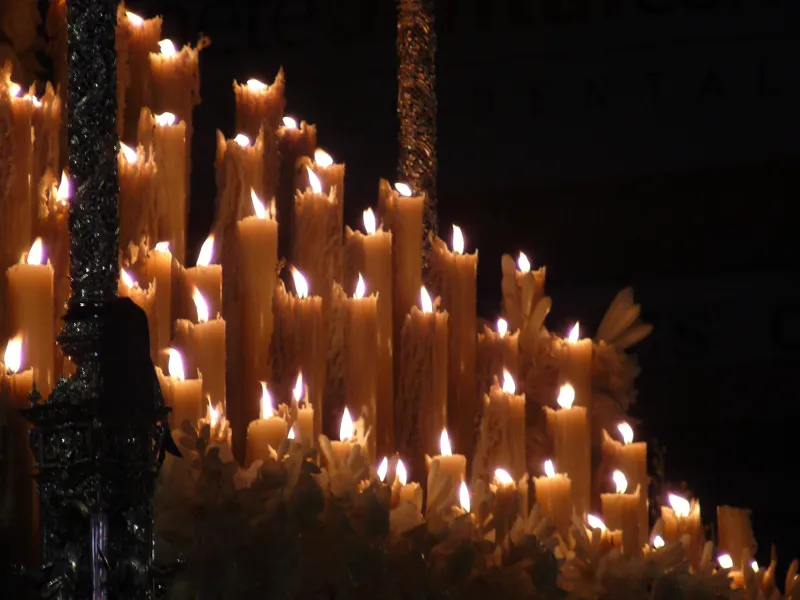
Basílica de la Macarena Guide
How to visit the Basílica de la Macarena in northern Seville: the beloved image of the Virgin of Hope, the on-site treasury museum, the Roman wall beside it, and the basilica's deep ties to Semana Santa.
Read guide
Seville Hidden Gems Worth Your Time
Beyond the Alcázar and the Cathedral: Seville's quieter palaces, small museums, tiled corners, local neighbourhoods and underused walking routes — the places that make the city feel like a discovery rather than a checklist.
Read guide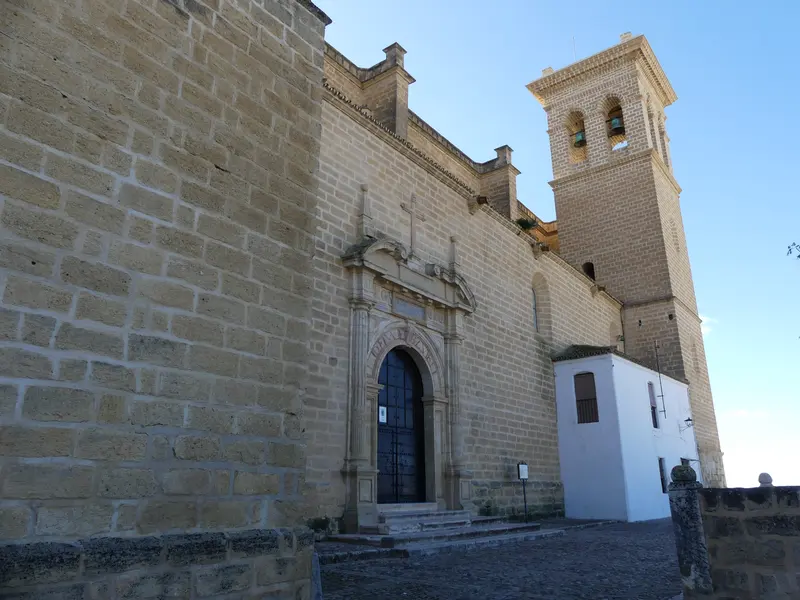
Best Museums in Seville
A decisive guide to Seville's museums: the golden-age paintings of Bellas Artes, the living art of the flamenco museum, contemporary work at the CAAC, ceramics in Triana and the palace-museums — compared by art, history, rain value and who each suits.
Read guideMore in Things to Do
6
Archivo de Indias Guide
Why the Archivo General de Indias belongs on your Seville list: what's inside the great archive of the Spanish Americas, the Renaissance building it lives in, how free entry works, and how to slot it between the Cathedral and the Alcázar.
Read guide
Best Free Things to Do in Seville
The best free things to do in Seville: grand plazas, shaded parks, riverside walks, beautiful churches, viewpoints, free-entry museum windows, and the heat-smart way to string them together without spending a euro.
Read guide
Best Palaces in Seville
Seville is a city of palaces — royal, aristocratic and ecclesiastical. A decisive guide to the Real Alcázar, Casa de Pilatos, Palacio de las Dueñas and the lesser-known palace-homes: which to choose, how to combine them, and how to avoid palace fatigue.
Read guide
Best Photography Spots in Seville
The best places to photograph Seville and exactly when to shoot them: Plaza de España's tiled curves, Alcázar patios, the Giralda framed down narrow lanes, rooftops, river bridges and Santa Cruz patios — built into a golden-hour route around the heat.
Read guide
Best Tours in Seville
Which guided tours in Seville are actually worth it: skip-the-line Alcázar and Cathedral visits, food and tapas tours, flamenco experiences, bike rides, river cruises and day trips — compared by who they suit, when to book, and where you're better off going solo.
Read guide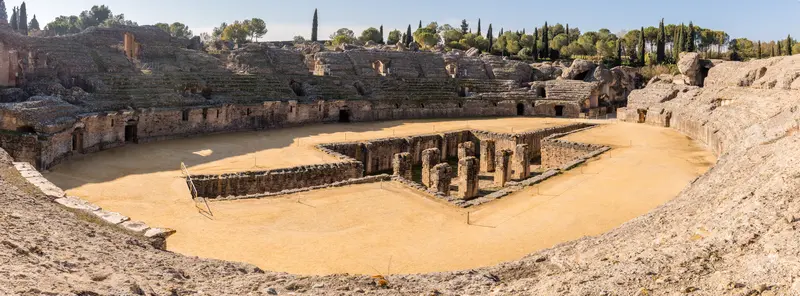
CAAC Seville Guide
How to visit the Centro Andaluz de Arte Contemporáneo on Cartuja island: contemporary art inside a former Carthusian monastery with a Columbus and ceramics past, set in the legacy of Expo '92 — what's on, who it suits, and how to reach it.
Read guide