
Seville Christmas Itinerary
A festive plan for Seville in December: the lights and Christmas market, the elaborate nativity scenes (belenes), seasonal sweets and food, comfortable cool-weather sightseeing, family evenings, and the rhythm of a Spanish Christmas through to Three Kings.
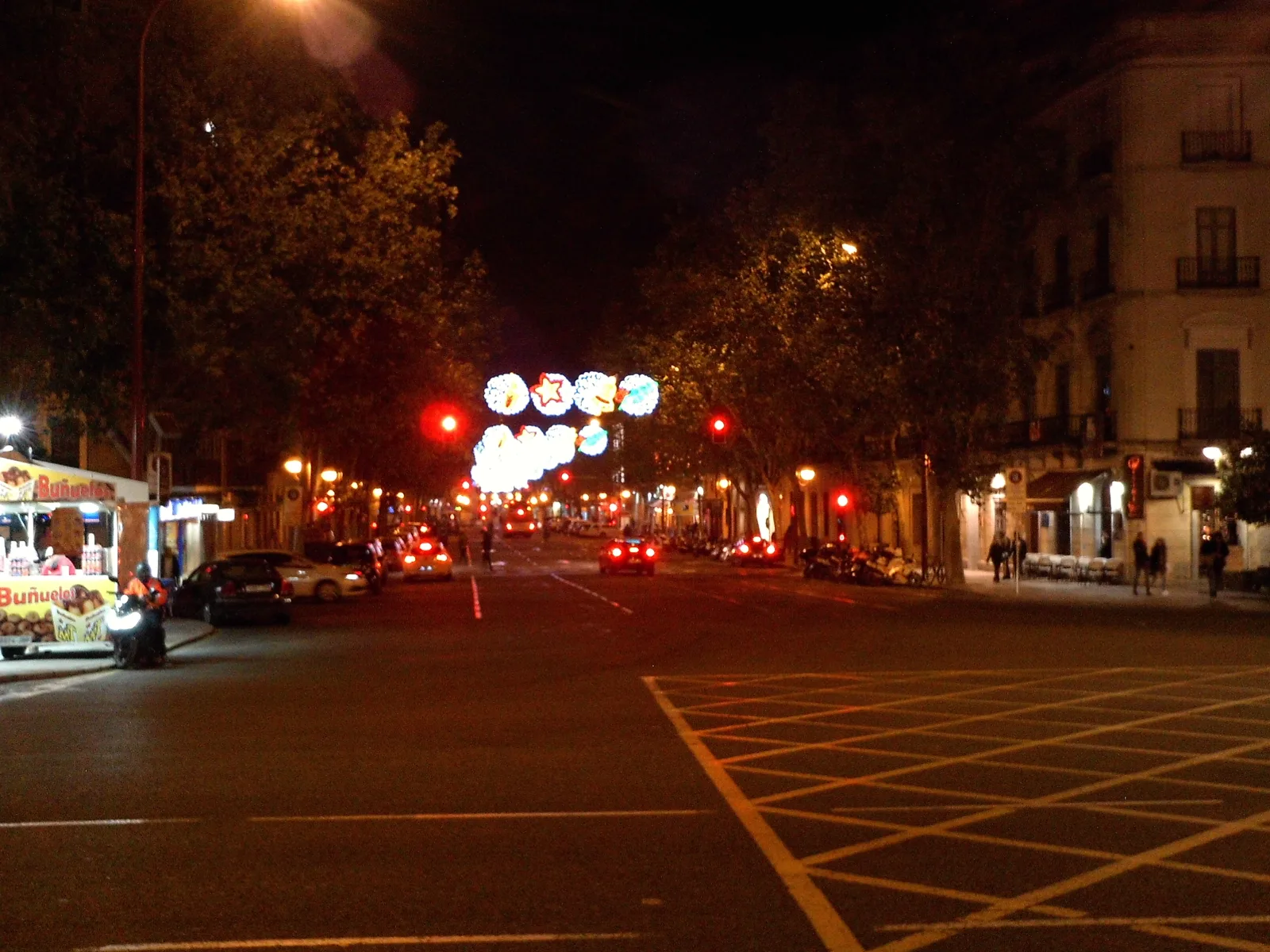
Photo: CarlosVdeHabsburgo / Wikimedia Commons · CC BY-SA 4.0
- ✓December in Seville is mild and pleasant — cool, often sunny days and chilly evenings — making it one of the best months for comfortable sightseeing without the summer heat.
- ✓The festive heart of the city is the Christmas market and lights around the cathedral and the central squares, plus the elaborate belenes (nativity scenes) displayed across town.
- ✓The Spanish Christmas runs late: the big nights are Nochebuena (Christmas Eve) and Nochevieja (New Year's Eve), and the season truly peaks at Reyes — Three Kings, on 6 January.
- ✓Hours change over the holidays: many sights, shops and restaurants close or shorten hours on the key days, so plan and verify around Christmas Day, New Year's Day and Three Kings.
- ✓It is a warm, family-centred, food-led season — lean into the sweets, the belenes and the lights rather than expecting a northern-European snowy Christmas.
Why December is one of Seville's best-kept secrets
Seville at Christmas is a quiet pleasure that far too few visitors discover. Forget snow and frost: an Andalusian December is mild — cool, frequently sunny days and properly chilly evenings — which makes it, paradoxically, one of the most comfortable months of the entire year to actually see the city. The monuments that are an endurance test in the August heat are a joy in the soft December light, the crowds are thinner than in spring or summer, and the whole place takes on a gentle festive glow: warm lights strung over the streets, the smell of roasting chestnuts, families out for the evening paseo wrapped in coats.
The Spanish Christmas also has its own shape, and understanding it makes the trip. The season stretches from early December — kicked off, in spirit, around the Immaculate Conception holiday on 8 December — through to Three Kings on 6 January, the day on which Spanish children traditionally receive their gifts. The great family nights are Nochebuena (Christmas Eve, 24 December) and Nochevieja (New Year's Eve, 31 December), both centred on long family dinners rather than daytime activity. So plan a festive trip around three things: the lights and the market, the belenes, and the food — and around the rhythm of a culture that celebrates Christmas more at the table and the nativity scene than under a tree.
The lights, the market and the festive centre
The most visible sign of Christmas in Seville is the lights. Through December the central streets and squares are strung with festive illuminations, and the area around the cathedral and the main shopping streets becomes a place to wander after dark simply for the glow. An evening stroll through the lit-up centre — the cathedral and Giralda floodlit beyond the decorations, the shop windows dressed for the season — is one of the loveliest free things you can do, and a perfect way to start a festive evening.
The seasonal Christmas market is the other anchor. Seville's main Christmas market traditionally sets up near the cathedral, and others appear around the city, selling festive crafts, decorations, sweets, and — importantly — the figures and pieces for building a belén at home, which is a serious tradition here. Browsing the stalls, picking up a small hand-painted figure or a bag of seasonal sweets, and warming up with something hot is the classic December afternoon-into-evening. Markets and their exact locations and dates can change year to year, so confirm the current setup before you go.
Beyond the official market, the central shopping streets are busy and festive through the season — a good time to combine gift-buying with the atmosphere. Just expect the centre to be at its most crowded on the weekends before Christmas, when the whole city seems to be out shopping.
The belenes: Seville's living Christmas art
If you do one distinctly Sevillian thing at Christmas, make it the belenes. The belén — the nativity scene — is taken to extraordinary lengths in Seville and across Andalusia: far beyond a simple stable, these are elaborate, sprawling miniature worlds depicting not just the Nativity but whole landscapes and towns, populated with hundreds of tiny figures going about their daily life, often with remarkable craftsmanship and detail. Through December and into early January, belenes are displayed all over the city — in churches, civic buildings, shop windows, museums and private societies — and seeking out the best of them is a genuinely festive treasure hunt that locals take seriously.
Some of the grandest belenes draw long admiring queues; others are tucked into a quiet church or a bank lobby and stumbled upon. There is usually an official trail or list of the year's notable displays published locally — worth tracking down. For families, the belenes are a gift: children love spotting the tiny details, finding the figures, and the gentle wonder of these miniature worlds. Building a belén at home is also why the Christmas market sells so many figures, and why you will see specialist stalls devoted to them. Whether you are religious or not, the belenes are a window into the soul of an Andalusian Christmas and one of the season's real highlights.
- Belenes appear all over the city in December and early January — churches, civic buildings, shops and societies.
- Look for the year's official belén trail or list, published locally, to find the best displays.
- Grand belenes can draw queues; quieter ones are a lovely surprise — leave room to stumble on them.
- A perfect family activity: children love hunting for the tiny figures and details.

Eating the season: sweets, dinners and treats
Christmas in Spain is, above all, a season of food, and Seville does it deliciously. The defining festive sweets are the polvorones and mantecados — crumbly almond and lard shortbreads, traditionally produced in the nearby town of Estepa — which appear in every shop and on every table through December; they are the taste of an Andalusian Christmas and make excellent gifts to take home. Alongside them you will find turrón (nougat, in soft and hard styles), marzipan, and other seasonal sweets piled high in bakeries and markets. Seek them out, buy too many, and enjoy them with a coffee or an anise liqueur as the locals do.
Roasted chestnuts from street braziers are the classic cold-evening snack, perfect to warm your hands as you browse the market. And the great festive meals — the long family dinners of Nochebuena and Nochevieja — are the real centre of the Spanish Christmas, though these are private, home-centred affairs. As a visitor, the key practical point is that restaurants book up and many close or run special (often pricey, fixed) menus on the big nights, so if you want to eat out on Christmas Eve or New Year's Eve, reserve well ahead and verify what is open. On New Year's Eve, join the Spanish ritual of eating twelve grapes at midnight, one on each chime — a charming, slightly chaotic tradition that visitors are warmly welcome to attempt.
- Try the festive sweets: polvorones and mantecados (almond shortbreads), turrón (nougat) and marzipan — and take some home.
- Roasted chestnuts from street braziers are the classic warming market snack.
- Book well ahead for dinner on Christmas Eve and New Year's Eve; many places close or run fixed festive menus — verify opening.
- Join the midnight-grapes ritual on New Year's Eve — twelve grapes, one per chime.
Sightseeing in the kind December light
One of the quiet joys of a Christmas trip is that the city's great monuments are at their most pleasant to visit. The Real Alcázar and its gardens, the Cathedral and the Giralda climb, Plaza de España, the Setas — all are far more comfortable in the mild December air than under the summer sun, the light is soft and golden in the short days, and the queues are generally lighter than in peak season. This is the time to do the classic sightseeing properly and unhurriedly.
The crucial caveat is holiday opening hours. Over the Christmas period, many monuments, museums, shops and restaurants close entirely or run shortened hours on the key days — typically Christmas Day (25 December), New Year's Day (1 January) and Three Kings (6 January), and sometimes the eves and the 8 December holiday too. Never assume a normal visit on or around these dates; always check the official hours for the specific days of your trip before you plan around them. On the open days between the holidays, though, you have something close to ideal: a beautiful, walkable, festively lit city with its sights uncrowded and the weather on your side.
Three Kings: the grand finale on 6 January
If you can extend your trip into early January, you will catch the true climax of the Spanish Christmas: the Cabalgata de Reyes Magos, the Three Kings parade, held on the evening of 5 January. This is the night when the Three Kings — the Magi, who in Spanish tradition bring children their presents rather than Father Christmas — process through the city on elaborate floats, showering the crowds with sweets thrown by the kingful. Seville's cabalgata is a major, beloved event, and the streets fill with families and excited children scrambling for the candy. It is joyful, slightly chaotic and utterly charming, and for many Spanish families it is the emotional heart of the whole season.
The next day, 6 January — Reyes, the Epiphany — is the day children open their gifts, and the day of the roscón de Reyes, the ring-shaped festive cake hiding a little figure (and a dried bean — find the bean and tradition says you buy next year's cake). Bakeries sell the roscón everywhere in the days around it. Reyes is a public holiday, so expect widespread closures, but it is the loveliest day to be among Sevillian families. Catching the cabalgata and a slice of roscón is the perfect way to round off a festive Seville trip — verify the parade's route and timing for the year, as both are published annually.
- The Cabalgata de Reyes Magos (Three Kings parade) is on the evening of 5 January — floats, costumed kings and sweets thrown to the crowds.
- 6 January (Reyes/Epiphany) is when children open gifts and families eat the roscón de Reyes cake.
- Reyes is a public holiday — expect widespread closures; plan food and sights accordingly.
- Verify the cabalgata's route and timing for your year — both are published annually.
Putting it together: a festive few days
To pull the season into a plan, think of your days as cool-weather sightseeing by day and festive atmosphere by evening. A good festive trip might run like this. By day, do the classic monuments in the mild light — a morning at the Alcázar, another at the Cathedral and Giralda, a Santa Cruz wander, Plaza de España — all the more enjoyable without the heat, and hunt down a few of the best belenes between them. By late afternoon and evening, turn to the season: the lit-up streets, the Christmas market by the cathedral, roasted chestnuts and festive sweets, the warm cafés, and an unhurried paseo through the glow.
Around the key dates, build your plan around the closures: keep Christmas Day and New Year's Day light and food-focused (with dinner booked well ahead), and if your trip reaches early January, anchor the end of it around the Three Kings parade. Pack a warm layer for the chilly evenings, bring something to keep off the occasional December rain, and otherwise simply enjoy one of the most comfortable, atmospheric and underrated times to be in Seville. It is a gentler, slower, sweeter version of the city — and once you have spent a Christmas here, you will understand why so many quietly rate December as their favourite time of all.
- By day: classic monuments in the kind light, plus a hunt for the best belenes.
- By evening: the lights, the Christmas market, chestnuts and sweets, and a festive paseo.
- Around the key dates: keep Christmas Day and New Year's Day light, book festive dinners far ahead, and anchor early January around the Three Kings parade.
- Pack a warm layer and a rain cover for the cool, occasionally wet evenings.
New Year in Seville and the wider festive calendar
If your trip spans the turn of the year, Seville greets it warmly. Nochevieja (New Year's Eve) is, like Christmas Eve, primarily a long family dinner at home, but the city does mark midnight in public — crowds gather in central squares to eat the traditional twelve grapes as the clocks chime, and bars and clubs run late, lively nights afterward. As a visitor, you can join the grape ritual in a public square or a bar and feel part of the moment; just remember that 1 January is a public holiday, so the city is quiet and many places are closed during the day. Plan that first day of the year as a slow, gentle one.
The festive season as a whole is bookended by public holidays that shape what is open: 8 December (the Immaculate Conception) near the start, 25 December and 1 January as the great closed days, and 6 January (Three Kings) to finish. Between these, the city runs largely as normal, festively dressed and pleasantly cool. The smart approach is to map your must-do sights onto the open days and keep the holidays themselves for atmosphere, food and rest. Do that, and a December-into-January trip flows beautifully through the whole arc of a Spanish Christmas — from the first lights, through the family nights, to the grand finale of the Kings.
- Nochevieja (New Year's Eve): the twelve-grapes ritual at midnight in squares and bars, then lively late nights.
- 1 January is a public holiday and quiet — plan a slow, gentle day.
- Public holidays shaping openings: 8 December, 25 December, 1 January and 6 January — verify hours around each.
- Map must-do sights onto the open days; keep the holidays for atmosphere, food and rest.

Festive evenings, flamenco and warming up
The chilly December evenings ask for a slightly different night-out from the long warm ones of summer, and Seville obliges. After the lights and the market, the natural move is indoors and warm: a tapas crawl through cosy, busy bars suits the season beautifully, with the cool-weather classics of the Sevillian kitchen — rich salmorejo, spinach with chickpeas, fried fish, good jamón, hot croquetas — exactly the food the weather calls for. A glass of fino or a warming red, a heated bar full of festive chatter, and a wander home through the lit streets is a perfect December night.
A flamenco show is an especially good fit for a winter evening — indoors, intimate, intense, and entirely independent of the weather. It is one of the most atmospheric ways to spend a cold night in the city, and pairs naturally with an early tapas dinner beforehand. For families, the early evenings of the season are gentle and magical: the lights, the belenes, a hot chocolate with churros to warm small hands, and the build-up of excitement toward the Kings. However you spend them, December evenings in Seville have a warmth that has nothing to do with temperature — and a quiet, lamp-lit, festive intimacy that the busier seasons cannot match.
- Cool-weather tapas: salmorejo, spinach and chickpeas, fried fish, jamón and hot croquetas in cosy, busy bars.
- A flamenco show is a perfect winter evening — indoors, intimate and weather-proof.
- For families, early festive evenings with lights, belenes and churros con chocolate are gentle and magical.
- Warm up with a fino or a hot chocolate and wander home through the lit streets.
Christmas in Seville Guide
Christmas in Seville means lights along the old streets, nativity scenes (belenes), traditional markets like the one in Plaza de San Francisco, festive shopping, sweets and family events — all in cool, comfortable sightseeing weather. How to enjoy the season and plan around it.
Read guide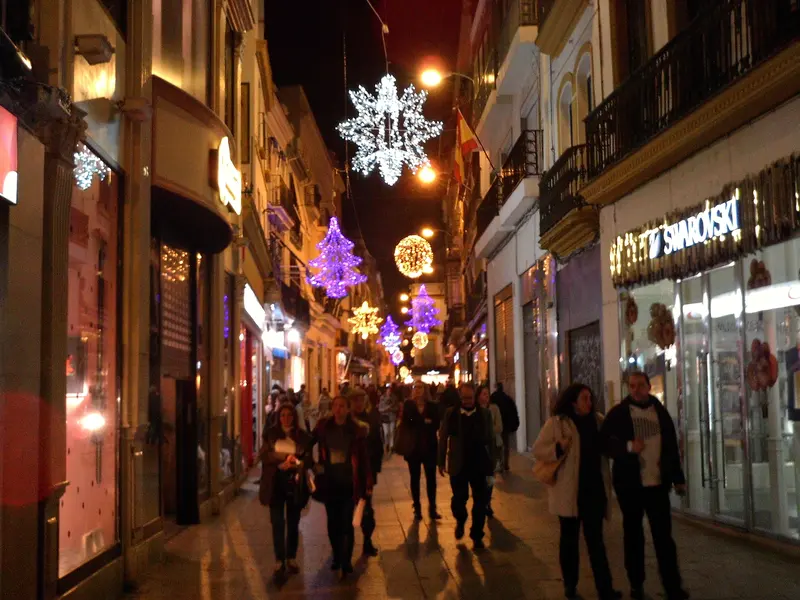
Seville in December
Seville in December — Christmas lights, nativity scenes (beléns) and festive markets, mild cool-weather sightseeing, good shopping, family-friendly plans, and atmospheric evenings, all at the year's gentlest prices outside the holiday peak.
Read guide
Shopping in Seville
Where to shop in Seville for ceramics, hand-painted fans, Spanish fashion, food gifts and craft: the pedestrian streets of Centro, the workshops of Triana, the markets and the boutiques — plus how to shop tastefully and avoid the tourist tat.
Read guideMore in Itineraries
6
2 Days in Seville Itinerary
A balanced two-day Seville plan: the UNESCO icons and Plaza de España on day one; Triana, the Setas, a market and a flamenco night on day two — built around the ticket slots and the afternoon heat.
Read guide
3 Days in Seville Itinerary
A complete three-day Seville itinerary: the UNESCO icons and Plaza de España; Triana, the Setas and flamenco; then a quieter palace, a market morning, a museum and slow golden-hour river time.
Read guide
4 Days in Seville Itinerary
A four-day Seville itinerary: the icons, Triana and flamenco, a quieter palace and a museum — then a fourth day for one Andalusian day trip, Córdoba's Mezquita above all, or a deliberate day off.
Read guide
Accessible Seville Itinerary
A realistic, romantic accessible route through Seville built on smoother surfaces, level entrances, lifts, taxis and the tram — with honest notes on cobbles, ramps, rest stops and the heat, paced so the city stays a pleasure rather than an obstacle course.
Read guide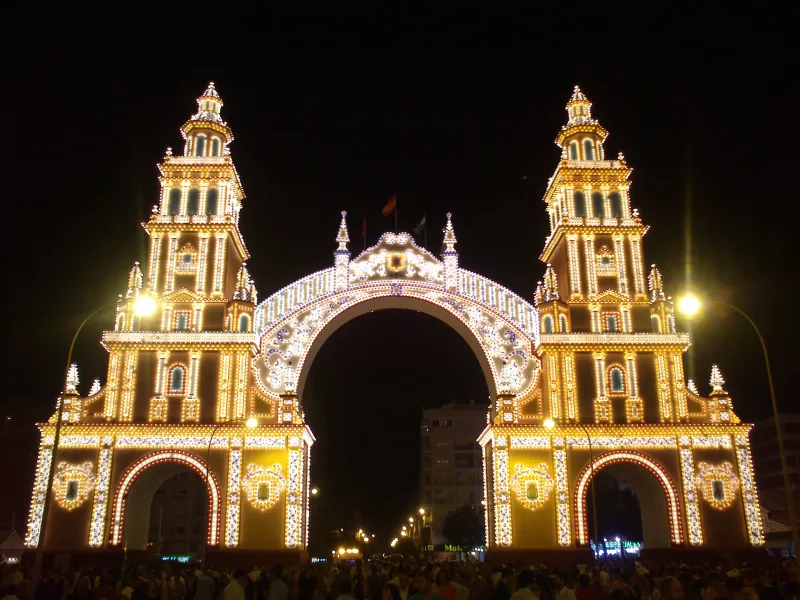
Feria de Abril Itinerary
How to plan days and nights at Seville's Feria de Abril: understanding the casetas and how to get inside one, what to wear, when the fairground comes alive, the daytime horse paseo, the rides, and how to fit ordinary sightseeing around the fair.
Read guide
Heat-Smart Summer Seville Itinerary
How to actually enjoy Seville in summer: a day built around early starts, a long midday break, pools and shade in the worst hours, and the long warm evenings the city was made for — with a sample three-day plan.
Read guide