
Plaza de Toros de la Maestranza
How to visit Seville's white-and-ochre bullring on the Arenal riverfront: the architecture, what the guided tour and museum actually cover, the ethical questions, ticket notes, and how to fold it into a Guadalquivir walk.

Photo: Davide Scutellaro / Unsplash
- ✓One of Spain's oldest and most architecturally celebrated bullrings, built in stages through the 18th and 19th centuries on the Arenal riverbank.
- ✓The standard visit is a guided tour of the ring, arcades, Prince's Box and the on-site museum — not a corrida.
- ✓Bullfighting is contested; you can appreciate the building, history and art without attending a fight, and we leave the choice to you.
- ✓It sits two minutes from the Torre del Oro and the river, so it slots straight into an Arenal and Guadalquivir afternoon.
- ✓Visits and any corridas pause around the building's quieter months — verify tour times and the season on the official site before you go.
What the Maestranza is
The Real Maestranza de Caballería de Sevilla — the bullring's full name nods to the noble riding fraternity that built it — is the great oval that anchors the Arenal, the flat riverside ground where Seville once unloaded ships and held its markets. Begun in the mid-18th century and finished, in fits and starts, more than a century later, it is among the oldest bullrings in Spain and, for many, the most beautiful: a ring of whitewashed arcades trimmed in ochre, crowned by the Baroque drama of the Palco del Príncipe, the Prince's Box, with its arched gateway and slender bell-cote.
Whatever your view of what happens inside during the season, the architecture is a genuine landmark of the city, and the building is woven into Sevillian identity, painting, opera and literature. This is the world of Carmen and of Bizet's score; it is the stage that made and unmade matadors for two and a half centuries. You can read all of that in the stone without ever watching a fight.
The architecture, up close
The Maestranza is not a perfect circle — its long construction history left it slightly irregular, which only adds to the character. The two tiers of arcaded galleries run around the ring in whitewash and ochre, the colour scheme that recurs across Andalusian architecture and that here glows under the low sun. The showpiece is the Palco del Príncipe, the ceremonial box reserved for royalty, framed by an arched portal and topped with its little bell tower; through its gate, in another age, triumphant matadors were carried out on shoulders.
Down at ground level you walk out onto the albero, the pale golden sand that gives the surface its even colour, and look back up at the ranked seats. The scale is intimate compared with a modern stadium, which is part of why it feels so theatrical: every seat is close to the ring. Look, too, for the chapel where toreros pray before a fight and the infirmary built into the structure — small rooms that tell you exactly what kind of building this is.
- Two tiers of white-and-ochre arcaded galleries ringing the sanded oval.
- The Palco del Príncipe — the Baroque royal box with its arched gate and bell-cote.
- The albero — the pale golden ring sand you can stand on during the tour.
- The torero's chapel and the on-site infirmary, built into the structure.
What a visit actually includes
For most travellers, 'visiting' the Maestranza means the guided tour, not a corrida. A guide leads you around the ring and through the arcades, out onto the sand, up to the views of the seating and the Prince's Box, and into the Museo Taurino — the bullfighting museum housed within the building. The tour is typically offered in Spanish and English and runs through the day on a rolling basis; it lasts well under an hour, which makes it easy to slot into an afternoon.
The museum traces the history of the ring and of tauromaquia through costumes — the embroidered 'suit of lights', the traje de luces — capes, posters, paintings, photographs and memorabilia. It is frank about what bullfighting is, which some visitors find compelling as cultural history and others find difficult; we flag that plainly below. On days when a corrida or another event is scheduled, tours pause, so it is worth checking the day's programme before you turn up.
- Guided tour of the ring, arcades, sand and Prince's Box (typically under an hour).
- Entry to the Museo Taurino — costumes, capes, posters, paintings and memorabilia.
- Tours run on a rolling schedule but pause on event days — check the programme.
- Languages usually include Spanish and English; confirm times when you book.

The Maestranza in Seville's imagination
Part of what makes the ring worth understanding is its grip on the city's culture. The Maestranza is bound up with Seville's spring: the bullfighting season traditionally opens around Feria de Abril, and for generations the ring's calendar was woven into the social rhythm of the city alongside the fair and Holy Week. Whatever you make of the practice, that cultural weight is real, and it explains why the building feels less like a sports venue and more like a monument.
It is also a fixture of art and story. This is the world of Bizet's Carmen, set partly outside these very walls; of countless paintings and posters; and of a literary tradition that treats the matador as a tragic figure. Sevillian painters, writers and photographers have returned to the ring again and again, and the museum inside captures some of that — the posters, the portraits, the sense of an art form that the city has mythologised even as the wider world has turned against it. Reading the building this way, as a cultural landmark layered with meaning, is the most rewarding approach for a thoughtful visitor.
A word on the ethics
Bullfighting divides opinion sharply, in Spain and abroad. To many Sevillanos it is a centuries-old art form and a fixture of the spring season; to many others, including a growing share of Spaniards and most international visitors, it is animal cruelty that no amount of tradition justifies. Both views are held strongly, and you will meet both in the city.
Our position is simple: we describe the Maestranza as the historic and architectural landmark it is, and we leave the decision about whether to attend a corrida entirely to you. The good news for the conflicted is that the two experiences are separable. Touring the building and museum supports the monument's upkeep and tells you a great deal about Sevillian culture; it does not require watching an animal die. If you would rather not engage with the subject at all, you can simply admire the exterior from the riverfront and walk on. There is no wrong choice here, only an informed one.
At a glance
A quick-reference card for fitting the Maestranza into a riverside afternoon, before the details below.
- What it is: one of Spain's oldest and most celebrated bullrings, on the Arenal riverfront.
- The visit: a guided tour of the ring, arcades, Prince's Box and the Museo Taurino — typically under an hour.
- Not a fight: the tour is separate from the corrida season; you can visit the building without attending one.
- Where: on the Paseo de Cristóbal Colón, two minutes from the Torre del Oro and the river.
- Tickets: modest tour-plus-museum admission, bought at the ring or online — verify the current price.
- Heads up: tours pause on event and corrida days; check the day's programme.
- Ethics: bullfighting is contested — we describe the landmark and leave attendance to you.
Tickets, hours and the season
Tour admission is bought at the ring itself or, increasingly, online; it is modest and includes the museum. Prices, opening hours and the exact tour cadence change over time and by season, so confirm the current details on the official Real Maestranza website rather than trusting third-party listings — and remember that tours don't run when an event is on.
Corridas, if you are weighing one, are concentrated in the bullfighting season that builds around Feria de Abril in spring and continues at intervals through the warmer months; tickets for those are a separate purchase, priced by how shaded your seat is (sol, sombra, or sol y sombra). Whatever you are booking, treat any price or time you read online as provisional and verify it close to your visit.
- Tour + museum admission is modest; buy at the ring or online and verify the current price.
- Tours pause on corrida or event days — check the programme for your date.
- Corrida tickets are separate and priced by sun/shade (sol, sombra, sol y sombra).
- Always confirm hours, prices and the season on the official site before you go.
Make it a riverside afternoon
The Maestranza's greatest practical virtue is its position. It stands on the Paseo de Cristóbal Colón, the riverside avenue, with the Guadalquivir on one side and the lanes of the Arenal on the other. Two minutes downstream is the Torre del Oro, the 13th-century watchtower with its small naval museum; just beyond, the river opens for walks and sunset views toward Triana across the water.
So build a half-day around it. Tour the ring and museum, then walk the riverbank past the Torre del Oro, cross to Triana for tapas or stay on the Arenal side for the bars tucked behind the ring. In the evening, a rooftop or a riverside terrace gives you the bullring's silhouette against the dusk — a far gentler way to take in the building than the season offers.
- Two minutes to the Torre del Oro and the Guadalquivir riverbank.
- Easy to combine with a river walk, a Triana crossing or Arenal tapas.
- Best light on the white-and-ochre exterior is the late afternoon.
Practical tips
The tour involves stairs and a fair amount of standing; the ring's sand is uneven underfoot, so wear comfortable shoes. There is little shade out on the albero, so a hat and water help in the warmer months. Photography for personal use is generally fine on the tour, including out on the sand and inside the museum, though restrictions can apply to specific items — follow your guide's lead.
If you are short on time, the building reads beautifully from the outside, and you can take in the façade and the Prince's Box from the avenue for free. If you have an hour, the tour adds the ring, the views and the museum's costumes and posters, and it's a satisfyingly compact stop that pairs neatly with the river. Either way, decide in advance how you feel about the subject, and visit on your own terms.
- Comfortable shoes for stairs and the uneven sand; sun cover in the warm months.
- Personal photography is generally fine on the tour — follow your guide on specifics.
- Short on time? The exterior and Prince's Box read well from the avenue for free.

El Arenal Guide
A central riverside base in Seville: El Arenal sits between the old town and the Guadalquivir, around the historic bullring, with the Torre del Oro, classic tapas bars and easy river walks on its doorstep.
Read guideTorre del Oro Guide
How to enjoy Seville's riverside watchtower: the story behind the Tower of Gold, its small naval museum and rooftop viewpoint, the Guadalquivir walk it anchors, and how to time it with the river and El Arenal.
Read guide
Self-Guided Old Town Seville Walk
A walkable, self-guided loop through Seville's old town: from the Cathedral and Giralda along the Alcázar walls into Santa Cruz, out to the Arenal and river, then up through Centro to El Salvador, the Setas and tapas.
Read guideMore in Things to Do
6
Archivo de Indias Guide
Why the Archivo General de Indias belongs on your Seville list: what's inside the great archive of the Spanish Americas, the Renaissance building it lives in, how free entry works, and how to slot it between the Cathedral and the Alcázar.
Read guide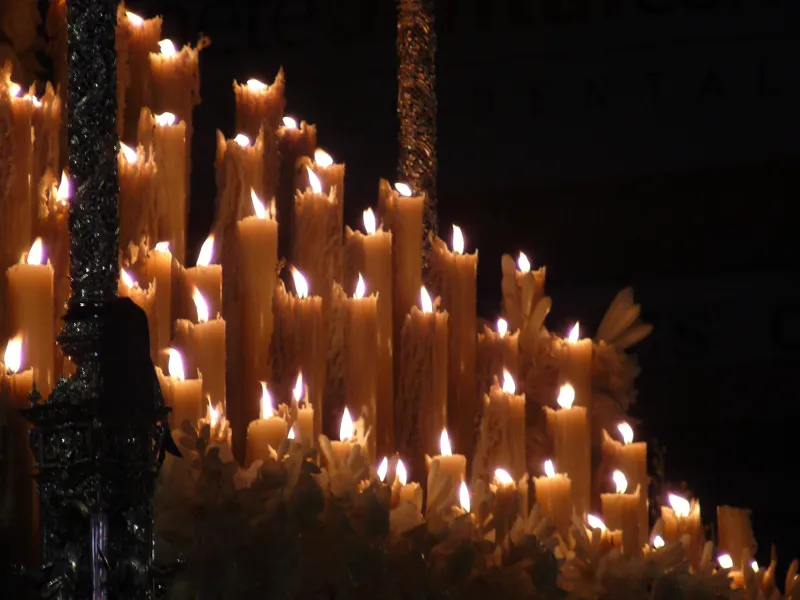
Basílica de la Macarena Guide
How to visit the Basílica de la Macarena in northern Seville: the beloved image of the Virgin of Hope, the on-site treasury museum, the Roman wall beside it, and the basilica's deep ties to Semana Santa.
Read guide
Best Free Things to Do in Seville
The best free things to do in Seville: grand plazas, shaded parks, riverside walks, beautiful churches, viewpoints, free-entry museum windows, and the heat-smart way to string them together without spending a euro.
Read guide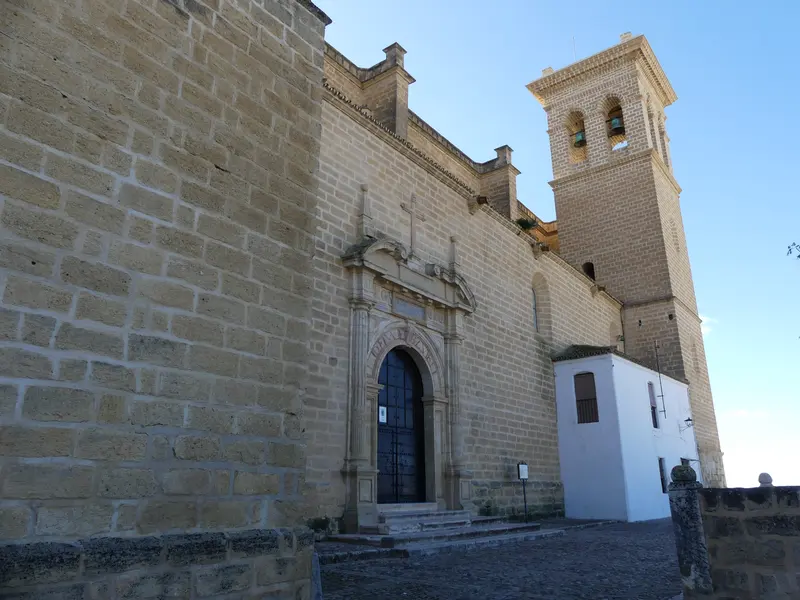
Best Museums in Seville
A decisive guide to Seville's museums: the golden-age paintings of Bellas Artes, the living art of the flamenco museum, contemporary work at the CAAC, ceramics in Triana and the palace-museums — compared by art, history, rain value and who each suits.
Read guide
Best Palaces in Seville
Seville is a city of palaces — royal, aristocratic and ecclesiastical. A decisive guide to the Real Alcázar, Casa de Pilatos, Palacio de las Dueñas and the lesser-known palace-homes: which to choose, how to combine them, and how to avoid palace fatigue.
Read guide
Best Photography Spots in Seville
The best places to photograph Seville and exactly when to shoot them: Plaza de España's tiled curves, Alcázar patios, the Giralda framed down narrow lanes, rooftops, river bridges and Santa Cruz patios — built into a golden-hour route around the heat.
Read guide