
Velá de Santa Ana in Triana
Triana's own summer street festival, held by the river around the feast of Santa Ana in late July: food stalls and casetas, music, the cucaña pole on the Guadalquivir, and a neighbourhood that pours outdoors for a week. How to enjoy it, when to go, and how to handle the heat.

Photo: Anual / Wikimedia Commons · CC BY-SA 4.0
- ✓Triana's neighbourhood festival, centred on Calle San Jacinto, Calle Betis and the riverbank, around the feast of Santa Ana in late July.
- ✓Free to wander: food and drink stalls, casetas, live music and processions — a smaller, more local cousin of the Feria de Abril.
- ✓The famous cucaña — a greased pole rigged out over the Guadalquivir — is the festival's signature spectacle.
- ✓It falls in the hottest stretch of the year, so come for the cooler evenings and plan around the midday heat.
What the Velá de Santa Ana is
The Velá de Santa Ana is Triana being entirely itself. While the rest of Seville empties into summer, the old riverside barrio throws its own week-long street festival around the feast of Santa Ana, its patron saint, in the second half of July. It is far older and far more local than the Feria de Abril across the river — a neighbourhood celebration first, a tourist event a distant second — and that is exactly its charm. There are no entrance gates and no booking: you simply walk down toward the Guadalquivir in the evening and find the streets transformed.
The heart of it runs along Calle San Jacinto, the parish church of Santa Ana, and the riverbank by Calle Betis. Bunting and strings of bulbs go up overhead, food and drink stalls and casetas line the lanes, bands and sound systems play, and the whole barrio comes out to eat, drink, dance and greet one another. There are religious moments too — Mass and processions tied to Santa Ana, the church that gives Triana its spiritual centre — woven through the more boisterous fun. Expect rebujito and cold beer, fried fish and montaditos, sevillanas danced in the street, and a warmth of feeling that is unmistakably Trianero.
- A week-long neighbourhood festival in Triana, around the feast of Santa Ana in late July.
- Centred on Calle San Jacinto, the church of Santa Ana, and the riverbank along Calle Betis.
- Free and open — no tickets, no gates; you just turn up in the evening.
- Smaller, older and more local than the Feria de Abril across the Guadalquivir.
The cucaña and the river
The Velá's most photographed moment happens out over the water. The cucaña is a long, greased pole rigged out horizontally above the Guadalquivir, with a small flag or prize at the far end; competitors try to walk or shuffle along it to grab the flag before the inevitable, very public fall into the river below. It is daft, joyful, completely traditional, and the riverbank packs out to watch it. If you want a single image of why Triana loves this festival, the cucaña is it.
More broadly, the river is the festival's stage. The Velá spills along the Triana bank with the lit-up old town and the Torre del Oro shining on the far side, and the Isabel II bridge — the iron 'puente de Triana' — strung between the two. It is one of the loveliest places in the city on a summer night even without a festival; during the Velá it becomes something closer to a party that happens to have a glorious backdrop. Come down to the water, find a spot along the wall or a riverside terrace, and let the evening unfold around you.
- The cucaña — a greased pole over the river — is the festival's signature spectacle; the crowd gathers on the bank to watch.
- The Triana riverbank, facing the floodlit old town and Torre del Oro, is the festival's most beautiful stretch.
- Calle Betis and the river wall are the prime spots for an evening drink with a view.
- Exact programme and any river events vary year to year — check local listings near your dates.
Timing, heat and how to do it well
The one thing to get right is the timing of your own evening, because the Velá lands in the hottest part of the Seville year. Late July afternoons sit deep in the thirties Celsius, so there is no point arriving for the Velá in daylight — it is an after-dark festival in spirit and in practice. Rest through the worst of the afternoon, then come down to the river as the heat finally lifts, ideally from dusk onward. The streets fill up later than you might expect; the atmosphere builds through the evening and runs late into the night, especially at the weekend.
A few practicalities. Wear light clothes and comfortable shoes, carry water, and pace the rebujito — it goes down dangerously easily in the heat. The lanes get crowded and uneven, so it is not the night for a heavy bag. Stalls and bars take cash and increasingly cards, but small cash is handy for quick stops. And remember this is a residential neighbourhood having its party: enjoy it as a guest, keep the side streets clear for locals, and you will be welcomed. Because exact dates shift with the calendar each year — the festival tracks the feast of Santa Ana, generally the last full week of July — confirm the current year's programme and dates with the Ayuntamiento de Sevilla or the Triana parish before you plan around it.
- An after-dark festival: rest through the afternoon heat and come down to the river from dusk onward.
- Light clothes, comfortable shoes, water, and a little cash for the stalls.
- It is a residential barrio's celebration — enjoy it respectfully and keep the lanes clear for locals.
- Dates track the feast of Santa Ana (generally the last full week of July) and shift yearly — verify the current programme locally.
What to eat and drink at the Velá
The Velá is, at heart, an excuse to eat and drink outdoors with the whole barrio, and the food is classic Sevillian summer fare. Expect pescaíto frito (mixed fried fish) and tortillitas de camarones (shrimp fritters) — fitting, given Triana's fishing and riverside heritage — alongside montaditos, fried snacks, and whatever the casetas are grilling. The signature drink is rebujito, the long, gulpable mix of chilled fino or manzanilla sherry topped with lemon soda and served by the jug; cold beer and tinto de verano round out the options. For something sweet, hunt down churros or the seasonal ice creams and granizados that sell well in the July heat.
Pace yourself. The rebujito is deceptively easy in the warmth, the night runs very late, and the lanes are crowded, so alternate drinks with water and food. Many of the riverside bars and terraces along Calle Betis keep their normal kitchens running too, so if the stalls are mobbed you can usually duck into a bar for a proper plate and a river view. Carry small cash for the quick stops, though more stalls take cards each year.
- Classic summer plates: pescaíto frito, tortillitas de camarones, montaditos and fried snacks.
- The drink is rebujito by the jug; also cold beer and tinto de verano.
- Calle Betis bars keep their kitchens running if the stalls are too busy.
- Pace the rebujito with water in the heat; carry small cash for stalls.
Triana by day, before the festival
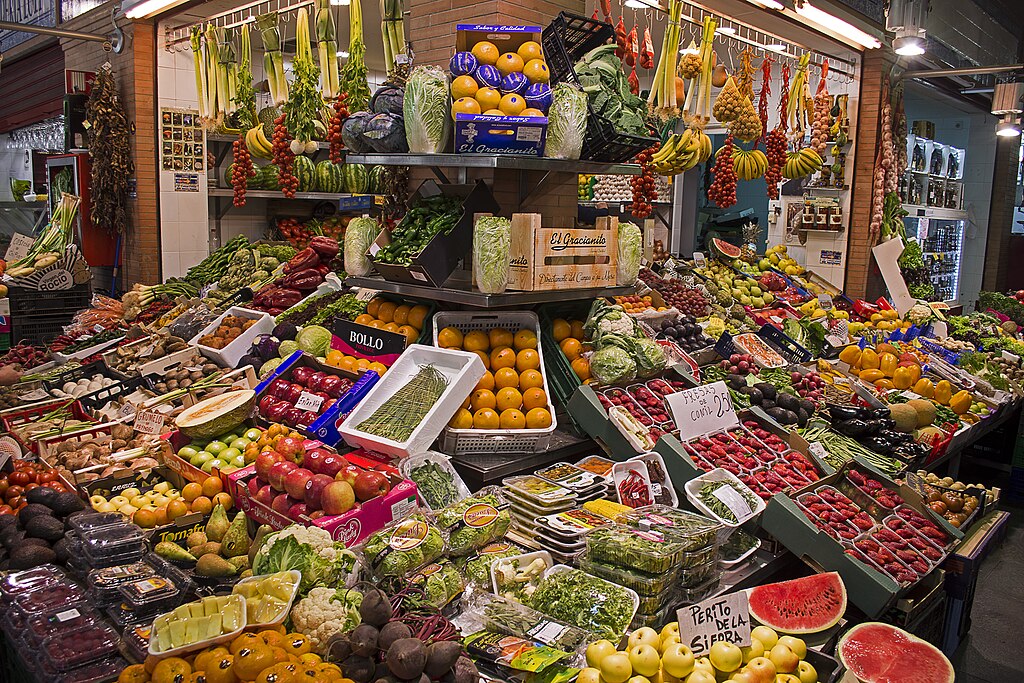
Since the Velá only comes alive after dark, the daytime is for exploring the barrio that hosts it — and Triana rewards a slow look. Start at the Mercado de Triana, built over the ruins of the old Castillo de San Jorge, for market stalls and a few tapas counters; the small interpretation centre on the Inquisition that once sat here is a cool, shaded stop. From there, the Triana Ceramics Centre tells the story of the tilework that made the neighbourhood famous, and the workshops and tile-fronted shops along Calle San Jorge and Calle Alfarería still sell hand-painted azulejos. The riverside walk along Calle Betis, facing the floodlit old town, is the prettiest stretch in the city at any hour.
Because late July is brutally hot, treat the day gently: a morning at the market and the ceramics museum, a long shaded lunch, a siesta back at your base, then out to the river as the heat lifts. Triana's flamenco roots run deep — this is the cradle of much Sevillian flamenco — and during the Velá that heritage surfaces in sevillanas danced spontaneously in the street. A pre-festival flamenco show or a wander past the old peñas sets the mood perfectly.
- Daytime Triana: the Mercado de Triana, the Castillo de San Jorge centre, and the Ceramics Centre.
- Buy hand-painted azulejos along Calle San Jorge and Calle Alfarería.
- The Calle Betis riverside walk faces the floodlit old town — lovely at any hour.
- Keep the hot day gentle; save energy and the river for the evening.
Velá de Santa Ana at a glance
A quick planning summary. Dates move with the feast of Santa Ana each year, so always confirm the current programme with official Seville sources before you build plans around it.
- What: Triana's week-long neighbourhood street festival around the feast of Santa Ana.
- When: late July, generally the last full week — dates shift yearly; verify locally.
- Where: Calle San Jacinto, the church of Santa Ana, Calle Betis and the Triana riverbank.
- Cost: free to wander; pay-as-you-go at food and drink stalls and casetas.
- Best time: evening into the night, after the afternoon heat has eased.
- Don't miss: the cucaña over the river, sevillanas in the street, and the floodlit old town across the water.

Triana Guide
Seville's proud neighbourhood across the Guadalquivir: flamenco roots, ceramic workshops, the Triana market, river-facing terraces on Calle Betis, real tapas, and what it's like to stay on the far bank.
Read guide
Seville in July
July is peak heat in Seville — one of the hottest big-city months in Europe. A practical guide to thriving rather than surviving: siesta timing, pools, cool indoor sights, late-night street life and exactly how to plan a July trip that works.
Read guide
Guadalquivir River Walks
The best riverside walks in Seville: which bank to choose, the bridges to cross, where the sunsets land, how Triana and El Arenal frame the water, and how to pace a river evening in the heat.
Read guideMore in Events
6
Bienal de Flamenco Guide
How to plan a trip around Seville's Bienal de Flamenco, the world's most important flamenco festival: when it runs, the kinds of shows and venues, how to find and book tickets, where to stay, and what to do if your trip falls in an off year.
Read guide
Christmas in Seville Guide
Christmas in Seville means lights along the old streets, nativity scenes (belenes), traditional markets like the one in Plaza de San Francisco, festive shopping, sweets and family events — all in cool, comfortable sightseeing weather. How to enjoy the season and plan around it.
Read guide
Corpus Christi in Seville
A guide to one of Seville's most beautiful and least touristy traditions: the Corpus Christi morning, when the centre is strewn with fragrant herbs and a stately procession winds from the Cathedral through streets dressed for the feast. When it falls, what to expect, where to watch, and how to plan around the early-summer crowds.
Read guide
Feria de Abril Guide
Everything a first-timer needs to understand Seville's April Fair: when it falls, what the fairground and the casetas are, the private-caseta system and how to get inside the fun, the daytime horse paseo and the lantern-lit nights, what to wear, what to eat and drink, where to stay, and how to fit the city around the fair.
Read guide
New Year's Eve in Seville
Nochevieja in Seville: the tradition of twelve grapes at midnight, where to gather, dinner timing, the late-night fiesta, taxis and getting home, and how to plan January 1. A practical guide to seeing in the year, Sevillano-style.
Read guide
Noche en Blanco Seville Guide
Seville's citywide cultural night, when museums, palaces, galleries and institutions open late and often free for one evening, usually in autumn. How it works, how to plan a route, what to reserve, and how to use it well.
Read guide