
El Salvador Church Guide
How to visit the Iglesia Colegial del Salvador in central Seville: the towering Baroque altarpieces, the Patio de los Naranjos, the combined Cathedral ticket, and the buzzing plaza and tapas bars right outside.

Photo: CarlosVdeHabsburgo / Wikimedia Commons · CC BY-SA 3.0
- ✓Seville's second-largest church after the Cathedral — a vast, golden Baroque interior in the heart of Centro.
- ✓The colossal gilded retablos and the venerated processional images are the highlights.
- ✓Built over a former mosque; its orange-tree courtyard preserves the old ablutions layout.
- ✓Often included on a combined ticket with the Cathedral and Giralda — verify the current arrangement before you buy.
- ✓The Plaza del Salvador outside is one of the city's best spots for an evening drink and a tapa.
The big church most people walk past
Plenty of visitors spend an evening drinking in the Plaza del Salvador without ever stepping inside the enormous church that gives the square its name. That's a shame, because the Iglesia Colegial del Salvador — usually just 'El Salvador' — is the second-largest church in Seville after the Cathedral itself, and its interior is one of the most overwhelming displays of Baroque gilt in the city. Where the Cathedral stuns by sheer Gothic scale, El Salvador overwhelms with golden altarpieces that climb the walls floor to ceiling.
It's also one of the easiest major sights to fit into a day, sitting square in the middle of Centro, a short walk from the Cathedral, the Setas and the main shopping streets. Step in for half an hour of golden splendour, then step back out into one of Seville's liveliest squares. Few stops give you so much beauty and so much atmosphere within a single block.
What you're seeing inside
The present church is a grand Baroque structure built in the 17th and early 18th centuries, and the interior is all about scale and gold. The single most impressive feature is the high altarpiece — a towering, densely carved and gilded retablo that fills the head of the church — but the side chapels carry their own monumental altarpieces, several of them masterpieces of Sevillian Baroque woodcarving. The overall effect is dense, theatrical and unmistakably Andalusian: every surface seems to glint.
Among the images, look for the much-loved processional sculptures kept here, including works tied to the brotherhoods that carry them through the streets at Semana Santa. As at the Macarena, these aren't museum pieces behind glass so much as objects of living devotion, and that gives the interior a charge beyond the purely artistic. Take your time with the main retablo, then work around the side chapels — the craftsmanship rewards a slow circuit.
- A towering high altarpiece — the centrepiece of the golden interior.
- Monumental side-chapel retablos, several of them Baroque masterpieces.
- Venerated processional images tied to Seville's Holy Week brotherhoods.

A church built on a mosque
Like much of old Seville, El Salvador stands on layers of earlier history — its site was the city's principal mosque in the Islamic period, and traces survive. The most visible is the Patio de los Naranjos, the orange-tree courtyard beside the church, which preserves the layout of a mosque's open ablutions court, just as the Cathedral's larger orange-tree courtyard does. Fragments of the old structure, including elements that once belonged to the mosque and its minaret, are woven into the fabric of the building.
It's a quiet, characteristic Sevillian story: a Roman and then Islamic city overbuilt by Christian Baroque, with each layer leaving a footprint. Step into the courtyard for a moment of shade and citrus scent, and you're standing in a space whose function — a place to pause and prepare before worship — has carried across a thousand years and two religions.
- Built on the site of the city's former main mosque.
- The Patio de los Naranjos preserves the old ablutions-court layout.
- Fragments of the earlier mosque survive within the structure.
At a glance
If you remember only a handful of things about El Salvador before you go, make them these. It's a quick-reference card for slotting the church into a busy day in the centre.
- What it is: Seville's second-largest church, a vast golden Baroque interior in Centro.
- Where: the Plaza del Salvador, about a five-minute walk north of the Cathedral.
- Ticket: usually sold on a combined ticket with the Cathedral and Giralda — verify current price and structure on the official site.
- Time needed: 30–45 minutes inside; longer in the plaza afterwards.
- Don't miss: the towering high altarpiece, the side-chapel retablos and the orange-tree courtyard.
- Outside: one of the city's best squares for an evening drink and a standing tapa.
- Etiquette: a working church — dress modestly, keep quiet, no touring during Mass.
Tickets and the Cathedral combo
El Salvador is a paid visit, and for most travellers the smart move is the combined ticket that pairs it with the Cathedral and Giralda — visiting both on one ticket is usually better value than buying the Cathedral alone, and it lets you see two of Seville's greatest interiors in a single outing. Exactly how the combined ticket is structured, what it costs and whether separate El Salvador admission is offered can change, so confirm the current arrangement on the official Cathedral ticketing site before you buy.
Because El Salvador is far less crowded than the Cathedral, it's a good place to use the combo: you can climb the Giralda and tour the Cathedral on one part of the ticket, then stroll over here for a calmer, gilded finale without fighting a queue. As always, treat any price or rule you read online as provisional and check it close to your trip.
- Usually available on a combined ticket with the Cathedral and Giralda — often the best value.
- Far quieter than the Cathedral, so an easy place to use the combo without queues.
- Verify the current ticket structure and price on the official Cathedral site.
The plaza outside
Half the pleasure of El Salvador is what's right outside the door. The Plaza del Salvador is one of Seville's great gathering spaces — a wide, café-lined square that fills in the evening with locals spilling out of the surrounding bars, drinks in hand, leaning against the church steps. It's noisy, sociable and quintessentially Sevillano, and it's free.
The square is anchored by a couple of classic, no-frills tapas bars whose tradition is to serve you a beer or a glass of cold sherry and a simple tapa to take standing in the plaza. Order, step outside, and join the crowd — there are few more enjoyable ways to spend an early Seville evening. Time your church visit for late afternoon and you can roll straight from gilded interior to outdoor drink as the light softens.
- The Plaza del Salvador is a prime evening gathering spot — lively, social and free.
- Classic standing tapas bars serve a drink and a tapa to enjoy in the square.
- Visit the church in late afternoon, then stay for sunset drinks outside.
The art and the brotherhoods
Beyond the sheer wattage of gold, El Salvador rewards a closer look at its sculpture. The church holds celebrated processional images, among them works associated with Seville's Holy Week brotherhoods — the hermandades whose members carry these figures through the streets at Semana Santa. The most famous is a powerful sculpted Christ that ranks among the great works of Sevillian religious carving, and seeing such images in their home church, rather than glimpsing them swaying above a Holy Week crowd, lets you appreciate the craftsmanship in stillness and good light.
That living connection to the brotherhoods is part of what separates a Sevillian church from a museum. These are not retired artworks; they are dressed, venerated and, at the right time of year, taken out into the city on the shoulders of costaleros. Even on an ordinary day you may find a candle burning before an image or a quiet worshipper at prayer. Approach the side chapels slowly and you'll come away with a far better sense of how art, faith and the rhythm of the Sevillian year all knot together in a single golden room.
- Home to celebrated processional sculptures, including a renowned image of Christ.
- These figures belong to Holy Week brotherhoods and are carried at Semana Santa.
- Seeing them in their home church, in still light, reveals the craftsmanship.

Fit it into your day
El Salvador's central position makes it one of the easiest sights to slot in. It's a five-minute walk from the Cathedral, so the natural sequence is Cathedral and Giralda first (on the combined ticket), then El Salvador as a quieter second stop, then drinks in the plaza. From here you're also a few minutes from the Setas viewpoint, the main shopping streets and the lanes of Centro, so the church works as a hinge between the monumental core and the everyday city.
Plan on 30 to 45 minutes inside — enough to take in the high altar, circle the side chapels and step into the orange-tree courtyard. Add as long as you like in the square afterwards. For a self-guided wander that links El Salvador with the rest of the old town, the Old Town walk threads it together with the Cathedral, the Arenal and Centro.
- Five minutes from the Cathedral; pairs naturally on the combined ticket.
- Close to the Setas, the shopping streets and the heart of Centro.
- Allow 30–45 minutes inside, then as long as you like in the plaza.
Practical tips
As a working church, El Salvador asks for the usual courtesies: modest dress, quiet voices, and no visits during Mass if you're only there to look. Hours are shaped around services and can vary by season, so check before you go, and keep your combined-ticket QR code handy. Photography for personal use is generally fine, but be discreet around anyone at prayer and avoid flash near the artworks.
Calibrate expectations as you would for any of Seville's Baroque churches: this isn't the vast Gothic Cathedral, it's a concentrated golden interior in a buzzing square. Taken on those terms — gilded church plus great plaza, often on a ticket you've already bought — El Salvador is one of the best-value, most enjoyable stops in central Seville.
- Working church — dress modestly, keep quiet, and don't tour during Mass.
- Hours vary around services and by season; check before you go.
- Personal photography is generally fine; be discreet and avoid flash.

Self-Guided Old Town Seville Walk
A walkable, self-guided loop through Seville's old town: from the Cathedral and Giralda along the Alcázar walls into Santa Cruz, out to the Arenal and river, then up through Centro to El Salvador, the Setas and tapas.
Read guide
Centro Seville Guide
Centro is Seville's practical, well-priced heart: shopping streets, cafés, churches and the Setas, all walkable to the cathedral. A value-focused central base away from the worst of the Santa Cruz crush.
Read guide
Best Tapas Bars in Seville
How to choose where to do tapas in Seville: the difference between classic tiled institutions, modern kitchens, deeply local bars and central crawl spots, which neighbourhoods reward a tapas evening, and how to build a crawl that flows.
Read guideMore in Things to Do
6
Archivo de Indias Guide
Why the Archivo General de Indias belongs on your Seville list: what's inside the great archive of the Spanish Americas, the Renaissance building it lives in, how free entry works, and how to slot it between the Cathedral and the Alcázar.
Read guide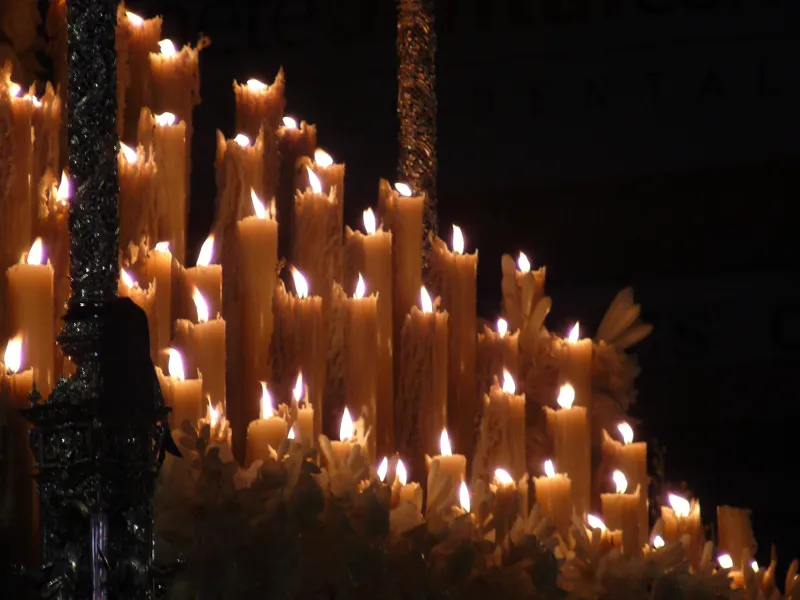
Basílica de la Macarena Guide
How to visit the Basílica de la Macarena in northern Seville: the beloved image of the Virgin of Hope, the on-site treasury museum, the Roman wall beside it, and the basilica's deep ties to Semana Santa.
Read guide
Best Free Things to Do in Seville
The best free things to do in Seville: grand plazas, shaded parks, riverside walks, beautiful churches, viewpoints, free-entry museum windows, and the heat-smart way to string them together without spending a euro.
Read guide
Best Museums in Seville
A decisive guide to Seville's museums: the golden-age paintings of Bellas Artes, the living art of the flamenco museum, contemporary work at the CAAC, ceramics in Triana and the palace-museums — compared by art, history, rain value and who each suits.
Read guide
Best Palaces in Seville
Seville is a city of palaces — royal, aristocratic and ecclesiastical. A decisive guide to the Real Alcázar, Casa de Pilatos, Palacio de las Dueñas and the lesser-known palace-homes: which to choose, how to combine them, and how to avoid palace fatigue.
Read guide
Best Photography Spots in Seville
The best places to photograph Seville and exactly when to shoot them: Plaza de España's tiled curves, Alcázar patios, the Giralda framed down narrow lanes, rooftops, river bridges and Santa Cruz patios — built into a golden-hour route around the heat.
Read guide