
Setas de Sevilla Guide
How to visit the Setas de Sevilla (Metropol Parasol): the rooftop walkway and its panorama, the best slot for sunset, the night light show, the Roman ruins beneath, and the tapas streets all around.

Photo: Vinicius Eloy Bailo / Unsplash
- ✓A vast undulating timber structure — billed as one of the largest wooden constructions in the world — nicknamed 'Las Setas' (the Mushrooms) by locals.
- ✓Ride the lift to the rooftop walkway for a 360° panorama over the old city, the Giralda and the cathedral.
- ✓The sunset slot is the prize; an evening light-and-music show animates the canopy after dark — check current times.
- ✓Beneath the plaza, the Antiquarium preserves Roman and Moorish ruins found during construction.
- ✓It sits over a tapas-rich quarter (Encarnación, Alfalfa) — pair the view with dinner just below.
What the Setas are
Rising out of an ordinary square in central Seville is one of Spain's most surprising landmarks: a colossal lattice of pale, undulating timber that looks like a cluster of giant parasols — or, as Sevillanos decided, a cluster of mushrooms. Officially the Metropol Parasol and opened in 2011, it is universally called Las Setas, 'the Mushrooms', and it has become an unlikely emblem of the modern city, a deliberate jolt of contemporary architecture dropped into the medieval centre. It is often described as one of the largest timber structures in the world.
Reactions split sharply, and that is part of the fun: some find it a glorious, swooping piece of design, others an alien intrusion among the tiled rooftops. Either way it works, because the architecture is also a destination — you don't just look at the Setas, you climb onto them. The honeycomb canopy carries a winding rooftop walkway that lifts you above the old city for one of Seville's two great panoramas.

The rooftop walkway and the view
The headline experience is the Mirador — the rooftop walkway. A lift takes you up from the plaza, and from there a serpentine path threads along the crests of the timber waves, dipping and rising so the view constantly reframes itself. Unlike a fixed viewpoint, you move through the panorama: the Giralda and the cathedral dominating the skyline, a sea of warm rooftops, distant church towers, and the green smudge of the parks beyond.
Because it is modern and central, the Setas give you the one thing the Giralda can't — a clear view of the Giralda itself, framed by the whole old town. It is the photographer's choice for that reason. The walkway is gently sloping and railed (more accessible than a tower climb), and a small admission usually includes a drink or a credit at the rooftop bar; confirm exactly what your ticket covers and the current price before you go.
- Lift access, then a winding rooftop walkway that reframes the view as you move.
- The best vantage for photographing the Giralda and cathedral across the rooftops.
- Gently sloping and railed — easier than climbing a historic tower.
- Admission often includes a drink/credit — verify the current ticket and price.
Sunset, blue hour and the night light show
Timing is everything here. The prize slot is the half-hour around sunset and into blue hour, when the city turns gold, the Giralda lights up, and the sky behind the rooftops runs through pink to deep indigo. Aim to be on the walkway twenty to thirty minutes before sunset so you catch both the warm light and the lights coming on across the city. These slots are the busiest, so book ahead if booking is available.
After dark, the canopy itself becomes the show: an evening light-and-music sequence (often promoted as an immersive experience) animates the underside of the timber waves in colour. Times, content and ticketing for the night show change with the seasons, so check the current schedule before you build an evening around it. Even without a ticket, the lit structure seen from the plaza below is worth a detour.
- Sunset into blue hour is the standout slot — arrive 20–30 minutes early.
- An after-dark light-and-music show animates the canopy — times vary, so verify.
- Book the sunset slot ahead where possible; it's the most popular.
- The lit structure is striking from the plaza even without going up.
The Roman city beneath: the Antiquarium
The Setas hide a second, much older story underground. When the site was excavated, builders uncovered substantial remains of Roman and later Moorish Seville — houses, mosaics, streets — which is partly why the project took so long and grew so ambitious. Rather than bury the find, the design preserved it: at plaza level you can visit the Antiquarium, a museum walking you over and through the in-situ ruins beneath glass.
It is a compact, atmospheric counterpoint to the soaring modern structure overhead — the deep past directly under the newest landmark in the city. The Antiquarium is usually a separate ticket from the rooftop; if Roman archaeology interests you, it makes the Setas a two-layer visit. Confirm hours and admission, which differ from the Mirador's.
- Roman and Moorish ruins, with mosaics, preserved in situ beneath the plaza.
- Visited via the Antiquarium museum — usually a separate ticket from the rooftop.
- A quiet, shaded indoor stop — handy in the heat of the day.

Map pins
Map data © OpenStreetMap contributors · Tiles © OpenFreeMap
Tickets, timing and how long to allow
Plan on thirty to forty-five minutes on the rooftop, longer if you settle in for sunset or a drink at the bar, plus extra if you add the Antiquarium below. The Setas operate their own ticketing for the Mirador, the night show and the Antiquarium, and prices, hours and what each ticket includes do change — book and verify on the official channel rather than a reseller, and reserve sunset slots ahead in busy periods.
As a modern structure it is more accessible than the Giralda: lift access and a railed, sloping walkway rather than ramps and stairs, which makes it the easier panorama for anyone who'd rather not climb. Bring water and a hat for daytime slots — the rooftop is exposed — and a light layer for the evening, when the open walkway can feel breezier than the streets below.
- Allow 30–45 minutes on the rooftop; more for sunset, a drink or the Antiquarium.
- Book official tickets; verify prices, hours and inclusions, and reserve sunset slots ahead.
- Lift access and a railed walkway — the easier of Seville's two great viewpoints.
- Sun cover by day, a light layer by night on the exposed canopy.

Setas or the Giralda? Choosing your viewpoint
Seville offers two great panoramas, and travellers often wonder which to climb. The Giralda is the historic choice: the cathedral's medieval bell-tower, reached by a long series of ramps, gives you height and the romance of standing inside a thousand-year-old minaret. But because you're on the Giralda, the one landmark you can't admire is the Giralda itself. The Setas solve exactly that — they hand you the cathedral and its tower as the centrepiece of the view, framed by the whole sweep of the old town.
If you can, do both: the Giralda for the history and the bird's-eye drama, the Setas for the perfect composition and the sunset. If you must pick one, choose the Giralda for the experience of the climb and the cathedral interior it sits within, and the Setas for the easier access, the better photograph and the buzzing tapas scene at its feet. They are complementary rather than rivals — different heights, different moods, both worth the time.
- Giralda — historic ramped climb, great height, but you can't see the Giralda from it.
- Setas — modern lift access, the best view of the Giralda and cathedral, ideal for sunset.
- Do both if you can; if not, Giralda for history, Setas for photos and ease.

Pair it with the tapas quarter below
The Setas sit right in the heart of central Seville's eating-and-drinking grid. Step off the structure and you're moments from the Encarnación market hall beneath the plaza, the lively tapas lanes of Alfalfa, and the buzzing Plaza del Salvador, where locals spill out of the bars with a drink in hand. The natural plan is to take the rooftop at sunset and drop straight into the streets below for dinner.
Because it's set away from the cathedral crush, the Setas anchor a more local-feeling evening than the monumental core. Climb for the light, descend for the tapas, and you've turned a single landmark into a whole night out — one of the easiest, most satisfying evenings in the city.
Is it worth it? An honest take
The Setas divide opinion, so let's be straight about who will enjoy them. If you want a panorama of the old city with the Giralda in the frame, love modern architecture, or are chasing the best sunset photograph in Seville, the rooftop is an easy yes — and the small admission, often including a drink, makes it good value for what you get. If you've already climbed the Giralda and feel you've 'done' the views, or you find contemporary design jarring beside the medieval centre, you might be happy simply admiring the structure from the plaza and saving the climb.
A couple of practical truths help you decide. The view is genuinely better at sunset and after dark than in flat midday light, so time it well or skip it. The walkway is short — this is a thirty-to-forty-five-minute experience, not a half-day — so it slots neatly into an evening rather than dominating it. And because it stands away from the cathedral crush in a lively local quarter, even a sceptic usually enjoys the whole package: a quick rooftop, a cold drink and the tapas streets waiting below.
- Yes if you want the Giralda in your skyline shot, love modern design, or are after the best sunset.
- Maybe skip the climb if you've already done the Giralda and prefer the medieval cityscape.
- Time it for sunset or after dark — midday light flatters it least.
- A 30–45 minute experience that pairs perfectly with a tapas evening below.


Alfalfa & Encarnación Guide
Alfalfa and Encarnación are the old town's tapas-and-nightlife engine: a dense pocket of bars and plazas under the Setas, full of central apartments and walk-home-after-dinner energy.
Read guide
Best Photography Spots in Seville
The best places to photograph Seville and exactly when to shoot them: Plaza de España's tiled curves, Alcázar patios, the Giralda framed down narrow lanes, rooftops, river bridges and Santa Cruz patios — built into a golden-hour route around the heat.
Read guide
Seville at Night
How to spend an evening in Seville: floodlit monuments, rooftop sunsets, the tapas paseo, flamenco, riverside walks, and the safe, slow rhythm of an Andalusian night — all timed around the heat and the late local clock.
Read guideMore in Things to Do
6
Archivo de Indias Guide
Why the Archivo General de Indias belongs on your Seville list: what's inside the great archive of the Spanish Americas, the Renaissance building it lives in, how free entry works, and how to slot it between the Cathedral and the Alcázar.
Read guide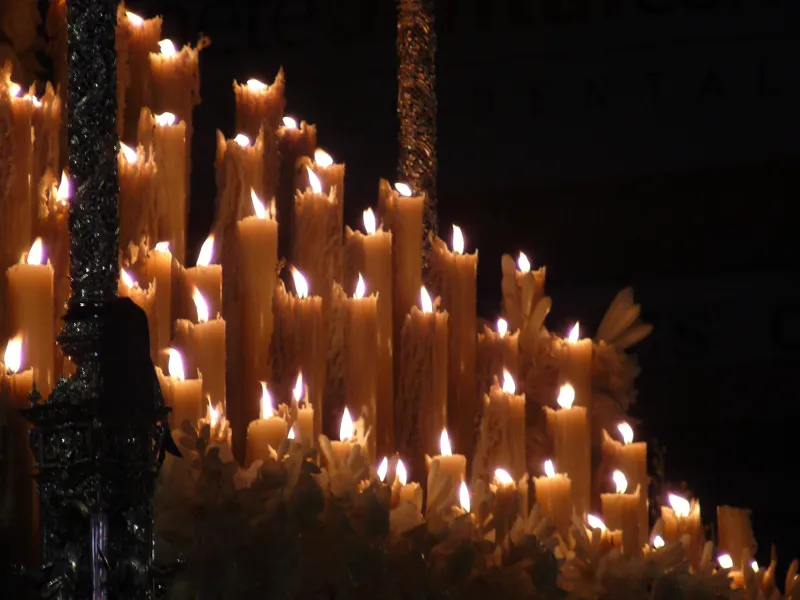
Basílica de la Macarena Guide
How to visit the Basílica de la Macarena in northern Seville: the beloved image of the Virgin of Hope, the on-site treasury museum, the Roman wall beside it, and the basilica's deep ties to Semana Santa.
Read guide
Best Free Things to Do in Seville
The best free things to do in Seville: grand plazas, shaded parks, riverside walks, beautiful churches, viewpoints, free-entry museum windows, and the heat-smart way to string them together without spending a euro.
Read guide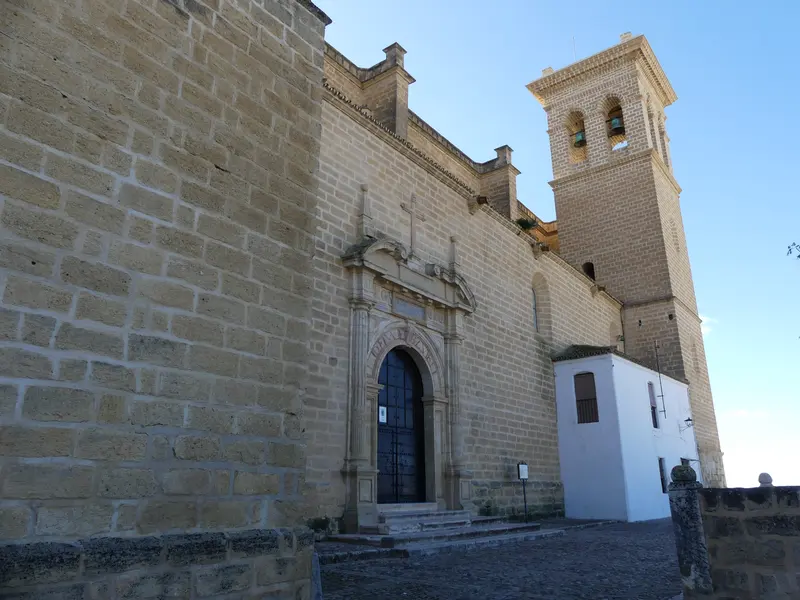
Best Museums in Seville
A decisive guide to Seville's museums: the golden-age paintings of Bellas Artes, the living art of the flamenco museum, contemporary work at the CAAC, ceramics in Triana and the palace-museums — compared by art, history, rain value and who each suits.
Read guide
Best Palaces in Seville
Seville is a city of palaces — royal, aristocratic and ecclesiastical. A decisive guide to the Real Alcázar, Casa de Pilatos, Palacio de las Dueñas and the lesser-known palace-homes: which to choose, how to combine them, and how to avoid palace fatigue.
Read guide
Best Tours in Seville
Which guided tours in Seville are actually worth it: skip-the-line Alcázar and Cathedral visits, food and tapas tours, flamenco experiences, bike rides, river cruises and day trips — compared by who they suit, when to book, and where you're better off going solo.
Read guide