
Seville on a Budget
How to do Seville well for less — smart-value hotels and areas, tapas eaten the local way, free sights and timed-free museum windows, cheap transport, and day trips done affordably — without losing any of the city's romance.

Photo: Molly Lowney / Unsplash
- ✓Seville is one of the best-value city breaks in Western Europe — much of what makes it magical is free or close to it.
- ✓Eat like a local: stand-up tapas a couple of plates at a time, a daily menú del día at lunch, and markets — not sit-down tourist restaurants by the cathedral.
- ✓Many top sights are free, and several big museums have regular timed free-entry windows — worth planning around (always verify the current days and hours).
- ✓The centre is walkable, so you rarely need to pay for transport; the airport bus and a few short rides cover the rest cheaply.
- ✓Time your trip to winter or deep summer, not the spring festivals, and your money stretches dramatically further.
Why Seville rewards a tight budget
Seville is, quietly, one of the great-value destinations in Western Europe — and, better still, doing it cheaply doesn't mean doing it poorly. So much of what makes the city intoxicating costs nothing at all: the orange-scented lanes of Santa Cruz, the tiled grandeur of Plaza de España, the river at golden hour, the churches, the courtyards glimpsed through wrought-iron gates, the whole long evening paseo. You could spend almost nothing on 'attractions' and still come away feeling you'd seen the real Seville. The trick to a budget trip here is not grim self-denial; it's spending your limited money on the few things that are genuinely worth it and letting the free magic do the rest.
The biggest lever of all is timing. Prices in Seville swing wildly with the calendar: the spring festivals — Semana Santa and Feria de Abril — send hotel rates soaring and fill the city for weeks, while quiet winter and the heart of hot summer offer the same beautiful streets for a fraction of the cost. If you have any flexibility, choosing your dates well will save you more than every other tip on this page combined. The rest is a matter of eating the local way, walking instead of riding, and knowing which sights to pay for and which to enjoy for free — all of which this guide lays out.
Sleep for less: areas and stay types
Accommodation will be your biggest single cost, so it's where smart choices pay off most. You don't have to stay in the prettiest, priciest streets right beside the cathedral to enjoy them — Seville's centre is small and walkable, so a base a little further out can be ten minutes' stroll from the icons at a meaningfully lower price. Neighbourhoods like Macarena to the north, and the practical, well-connected area around the Santa Justa train station, tend to offer better value than the postcard heart of Santa Cruz, while keeping you close to everything that matters.
On stay type, weigh your options against how you'll travel: hostels and guesthouses keep costs lowest for solo travellers and the young, while a simple apartment with a kitchen can be the best-value choice for couples, families or longer stays, letting you shop at markets and skip a few restaurant meals. Book early for the best rates — especially anywhere near the festival dates — and read recent reviews rather than chasing the rock-bottom price, since a poorly located or poorly air-conditioned room can cost you more in taxis and discomfort than it saves. Always verify current prices directly, as rates move with season and demand.
- Stay walkable-but-not-central: Macarena and the Santa Justa-station area offer value within a short stroll of the icons.
- Match the stay type to your trip: hostels/guesthouses for solo and young travellers; an apartment with a kitchen for couples, families and longer stays.
- Book early, especially around festival dates, and read recent reviews — a bad-value room costs more than it saves.
- Verify current prices directly; Seville's rates swing hard with season and festivals.
Eat brilliantly for little: the local way
Here is the happiest fact about a budget trip to Seville: eating cheaply and eating wonderfully are the same thing. The city's food culture is built on tapas, and the local way to enjoy them is also the thrifty way — stand at the bar, order a couple of small plates and a drink, then move on to the next place. A few euros buys a real bite, and a crawl of three or four bars makes a full, varied, sociable dinner for the price of one tourist main course. Avoid the obvious trap of the restaurants ringing the cathedral and the big plazas, where you pay a premium for the view and rarely eat as well; walk a few streets into any local neighbourhood instead.
Two more habits stretch a food budget a long way. First, lunch is where the real value lives: many restaurants offer a menú del día, a fixed-price multi-course lunch with a drink, that is far cheaper than ordering à la carte and is how plenty of locals eat their main meal of the day. Eat big at lunch and graze on tapas at night and you'll spend less and eat better. Second, use the markets — Triana's market and the city's other mercados are full of fresh produce, cheese, ham and ready-to-eat snacks, perfect for a picnic in María Luisa Park or for self-catering if your room has a kitchen. Free tap water is fine to ask for, and a caña (small beer) or a glass of house wine is cheaper and more local than cocktails.
- Tapas the local way — stand at the bar, a couple of plates at a time, then move on — is both the best and the cheapest way to eat.
- Skip the restaurants by the cathedral and big plazas; walk a few streets into any neighbourhood for honest local prices.
- Hunt the menú del día at lunch: a fixed-price multi-course meal far cheaper than à la carte — eat big at noon, graze at night.
- Use markets for picnics and self-catering; order a caña or house wine over cocktails; tap water is fine to ask for.
Sights for free — and the timed-free museum windows
This is where Seville is at its most generous. An enormous share of the city's best experiences carry no admission at all: Plaza de España and María Luisa Park are free to wander; the river walks and the bridges to Triana cost nothing; many churches are free to enter or ask only a small donation; the great viewpoints from bridges and rooftop terraces are open to anyone with the time to climb or the price of a drink; and simply getting lost in Santa Cruz, the Alameda or the Macarena is among the finest things to do in the city. Build your days around these and the trip largely funds itself.
Beyond the always-free, Seville runs a network of timed free-entry windows that a budget traveller can plan around. Several of the major sights and museums — including some of the headline monuments and the main art museums — offer free or reduced entry at certain times, often on particular days or in the last hour or two before closing, and sometimes specifically for EU residents or other categories. The catch is that these windows change and can come with queues, so they reward the organised: check the current, official day-and-hour for each place you care about before your trip, arrive early because the free slots fill, and have a paid back-up in mind in case the queue is impossible. For the one or two ticketed sights you do decide are worth paying for — the Real Alcázar above all — book ahead at the official price rather than through a costly reseller.
- Always free: Plaza de España, María Luisa Park, river and bridge walks, many churches, rooftop/bridge viewpoints, and wandering the old quarters.
- Plan around timed-free windows — several major sights and museums offer free or reduced entry on certain days or in the last hour(s); some are EU-resident specific.
- Verify the current free day and hour officially for each place; arrive early as free slots queue up, and keep a paid back-up plan.
- For paid sights you do choose (the Alcázar above all), book the official ticket ahead rather than paying reseller mark-ups.
Get around for almost nothing
Transport is barely a line item in Seville if you let the city's compactness work for you. The historic centre is small and almost entirely walkable, so for most of a typical trip your feet are free transport and the most pleasant way to see the place besides. Keep walking for the cool of the morning and evening, and you'll rarely need to spend a cent moving around — the icons, the tapas streets and the river are all within strolling distance of one another.
For the few longer hops, the public network is cheap: a single tram, bus or metro ride is inexpensive, and buying a rechargeable travel card or a multi-trip option brings the per-ride cost down further if you'll use it more than a handful of times. The airport bus into the centre is far cheaper than a taxi and runs frequently. The city's public bike-share is another low-cost way to cover ground in the cooler hours, and is a genuine pleasure along the river. Save taxis for the genuinely necessary moments — a brutal heat-of-the-day leg, late at night, or with heavy bags — rather than as a default. Treat all specific fares as things to verify locally, since they change.
- The centre is small and walkable — for most of a trip, your feet are free transport and the nicest way to travel.
- Public tram/bus/metro rides are cheap; a rechargeable or multi-trip card lowers the per-ride cost further.
- The airport bus into town is much cheaper than a taxi and runs often; the bike-share is a low-cost river option.
- Save taxis for real need — peak heat, late night, heavy bags — not as a default. Verify all fares locally.
Affordable day trips and other ways to save
Seville is the best-placed base in Andalusia for day trips, and you can take some of the region's finest without blowing the budget. The trick is to favour places reachable cheaply by public transport and to buy ahead where it pays. Córdoba is the classic value escape — a quick train ride to one of Spain's great monuments — and Cádiz on the Atlantic is another comfortable, reasonably priced rail trip that pairs culture with a free city beach. Booking train tickets in advance, where the operator allows it, can secure cheaper fares than buying on the day, and a do-it-yourself trip by train is almost always cheaper than an organised coach tour, if a little more effort. Even Roman Itálica, just outside the city, is reachable by an inexpensive local bus.
A handful of smaller habits round out a frugal trip. Carry a refillable water bottle rather than buying bottled water all day — vital in the heat and easy on both your wallet and the planet. Shop for souvenirs away from the most touristy streets, where the same ceramics and fans cost less. Enjoy the city's free evening culture — the paseo, a square, live music spilling from a bar — rather than paying for entertainment every night, and save your one splurge, perhaps a flamenco show, for when it really counts. None of this is about going without; it's about spending where Seville is worth it and letting the city's abundant free beauty carry the rest of the trip.
- Favour day trips reachable cheaply by train or bus — Córdoba and Cádiz are the value standouts; Itálica is a short local-bus ride.
- Book train tickets ahead where allowed for cheaper fares; a DIY rail trip usually beats an organised coach tour on price.
- Carry a refillable bottle (essential in the heat), and buy souvenirs away from the most touristy streets.
- Lean on free evening culture — the paseo, squares, bar music — and save one splurge, like flamenco, for when it counts.
At a glance: a budget Seville checklist
Pulled together, here's the short version to plan from. Treat all prices, free-entry days and fares as things to confirm on official sources before you rely on them — they move with the season and the calendar.
- Time it right: avoid the spring festivals; winter and deep summer are far cheaper for the same beautiful city.
- Sleep walkable-but-not-central (Macarena, Santa Justa area); an apartment with a kitchen is great value for couples and families.
- Eat tapas at the bar, hunt the menú del día at lunch, use markets, and skip the restaurants by the cathedral.
- Build days around free sights and timed-free museum windows (verify the current days/hours); book paid sights officially, ahead.
- Walk the compact centre; use cheap public transport and the airport bus; save taxis for real need.
- Do day trips DIY by train (Córdoba, Cádiz); carry a refillable bottle; save one splurge for flamenco.

Best Budget Hotels in Seville
Where to save on a Seville hotel without losing too much time, shade or transport convenience: which neighbourhoods give the best value, when budget rooms make sense, and the trade-offs to watch in the hot months and festival weeks.
Read guide
Best Free Things to Do in Seville
The best free things to do in Seville: grand plazas, shaded parks, riverside walks, beautiful churches, viewpoints, free-entry museum windows, and the heat-smart way to string them together without spending a euro.
Read guide
Seville on a Budget Itinerary
A lower-cost two-day Seville plan that leans on the city's free riches — open-air plazas, river walks and churches — plus market lunches, smart ticket timing and walkable everything.
Read guideMore in Travel Tips
6
Accessible Seville Travel Guide
A realistic, affectionate guide to seeing Seville with limited mobility, a wheelchair or a slower pace — which monuments roll well, where the cobbles bite, how the taxis and tram help, and how to build heat breaks into a day so the city stays a pleasure rather than a battle.
Read guide
Best Time to Visit Seville
When to come to Seville, season by season — orange-blossom spring and its great festivals, the fierce but manageable summer, golden autumn culture and quiet, well-priced winter — so you can match the city's mood to your own.
Read guide
Getting Around Seville
When to walk, take a taxi, hop the tram, ride the metro or a city bus, and when to cycle in Seville — with honest notes on the summer heat, the cobblestones and how compact the centre really is.
Read guide
Is Seville Safe?
Practical, honest safety advice for Seville: how the city feels day and night, pickpockets and petty theft in crowds, the very real danger of summer heat, nightlife, solo travellers and the special case of festival days.
Read guide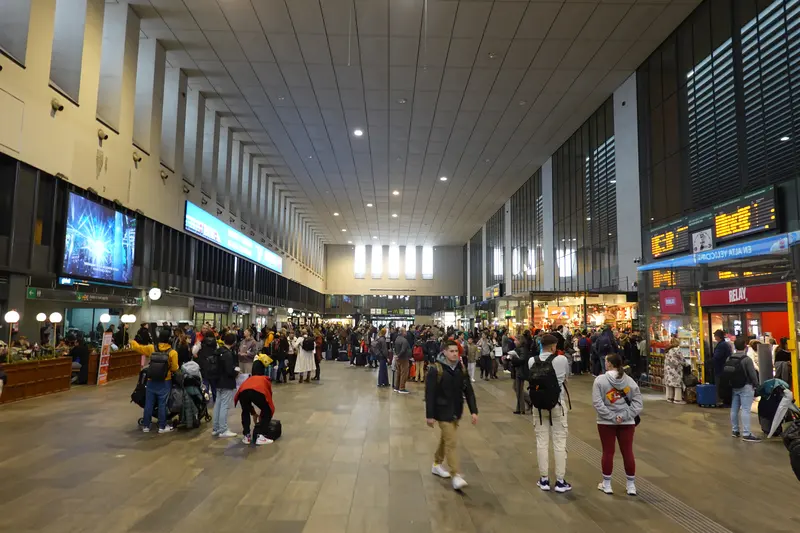
Luggage Storage in Seville
Where to drop your bags in Seville on an awkward in-between day — beside Santa Justa station, around the central sights, before a tour or after check-out — so you can spend your last hours wandering the orange-tree lanes instead of dragging a suitcase over cobbles.
Read guide
Money & Tipping in Seville
How money actually works in Seville: when cards sail through and when you'll want coins, how light and optional tipping really is, the etiquette of paying at a tapas bar, and the small cash realities — markets, taxis, toilets — that catch visitors out.
Read guide