
Seville on a Budget Itinerary
A lower-cost two-day Seville plan that leans on the city's free riches — open-air plazas, river walks and churches — plus market lunches, smart ticket timing and walkable everything.

Photo: Hasmik Ghazaryan Olson / Unsplash
- ✓Seville's best moments are mostly free: Plaza de España, Santa Cruz, river walks, courtyards, churches and rooftop sunsets cost nothing.
- ✓Spend deliberately on one or two paid sights — the Alcázar above all — and look for the free-entry windows on several others.
- ✓Markets and tapas bars keep food cheap and excellent: snack and share rather than sitting down to set menus.
- ✓Everything central is walkable, so transport costs stay near zero — your feet are the budget itinerary's best tool.
- ✓Stay in a value area like Centro or Macarena, book the Alcázar's first slot, and always verify free-entry times and prices on official sites close to your trip.
Why Seville is a great cheap city break
Seville is unusually generous to travellers on a budget, because so much of what makes it magical is free. The grandest open-air space in Spain, Plaza de España, costs nothing to enter. The most atmospheric quarter, Barrio Santa Cruz, is a maze of free lanes. The river, the bridges, the sunset, the lit monuments at night, the courtyards and the side-street churches — all free. Even the city's signature pleasure, the long tapas evening, is built for spending little: small plates, shared, bar to bar. You can have a wonderful two days here on a tight budget and never once feel you are missing out, because the expensive version of Seville and the cheap version of Seville walk the very same lanes.
The trick is to spend your limited budget deliberately, on the few things genuinely worth paying for, and to take everything else free. This itinerary does exactly that. It picks one or two paid sights to splurge on — chiefly the Real Alcázar, which is worth every cent — looks for the free-entry windows that several monuments offer, and then fills the rest of two full days with the city's no-cost riches: plazas, parks, river, viewpoints from the street, markets and a tapas crawl. The rhythm is the same as any good Seville plan — sights in the cool morning, the hot afternoon at rest, the long evening for the city — but tuned so that the cost stays low without the experience feeling thin.
It helps to set expectations on what a Seville budget really looks like. The two biggest line items on most trips — a bed and getting around — are exactly where Seville is kind: beds in a value central area are reasonable outside the festival weeks, and the walkable old town means you can run a whole trip without paying for much transport at all. That frees your spending for the few things worth it. The mental model to carry is simple: pay for the Real Alcázar, pay for a flamenco show if you want one, eat and drink the local tapas way, and take literally everything else free. Hold that line and a couple of days in Seville costs a fraction of what the same days would in most European capitals, without ever feeling thin.
Treat this as a strong default and bend it to your budget. Some travellers will want to pay for the Alcázar and nothing else; others will add a flamenco show or a second palace. The structure holds either way.
At a glance: two days on a budget
The shape of two low-cost days. One paid splurge, a handful of free-entry windows, and a great deal of the city's no-cost best — all on foot.
- Day 1 morning — the Real Alcázar (the one splurge), or its free-entry window if you can catch it.
- Day 1 midday — a cheap, excellent tapas-and-market lunch, then a free heat break.
- Day 1 evening — free Plaza de España and María Luisa Park at golden hour, then a budget tapas crawl.
- Day 2 morning — free Santa Cruz wander, an orange-tree courtyard, and a church or two with free or cheap entry.
- Day 2 midday — Mercado de Triana for a snacking lunch, then rest through the heat.
- Day 2 evening — a free river-and-bridges sunset walk and the lit monuments at night.
- Throughout — walk everywhere, refill your water bottle, and verify free-entry times on official sites.
Spend smart: the one ticket, and the free windows
The single best use of a tight sightseeing budget in Seville is the Real Alcázar — the layered Mudéjar palace with its tiled rooms and sublime gardens is the one paid sight almost no one regrets, and it delivers hours of value for the price of admission. Book it ahead and take the first slot of the day, which on a budget trip pays double: you get the cool air and the quiet courtyards and you maximise your time inside what you've paid for. If your budget is truly minimal, note that the Alcázar typically offers a free-entry window (often late in the week, and worth confirming on the official site as the day and time can change). Free entry usually means tighter availability and longer queues, so weigh the saved euros against the saved morning.
Several other Seville monuments run free-entry slots too — certain churches, museums and historic buildings open their doors at no charge on particular days or hours, and the city's state-run museums often have a free window for EU residents. These are exactly the kind of thing to plan a budget trip around, but they shift, so treat any specific time as something to verify close to your dates rather than a fixed fact. Beyond the Alcázar, decide in advance which one or two extra paid sights, if any, are worth it to you — a flamenco show is the most common worthwhile splurge — and resolve to take everything else free. That discipline is what keeps the trip cheap without making it feel cheap.
Day 1: the Alcázar, then a free afternoon and evening
Open day one with your splurge. At the Real Alcázar on the first slot, take your time — the palace rooms and especially the gardens are where your admission goes furthest, so linger in the sunken parterres and palm shade rather than rushing through. From there, walk five minutes to the Cathedral. The cathedral interior and the Giralda climb are paid, and they are wonderful, but on a strict budget you can skip the interior and still get much of the magic for free or near-free: the Patio de los Naranjos, the orange-tree courtyard, and the sight of the Giralda soaring over the rooftops from the surrounding lanes cost nothing. Decide which version of the morning your budget wants.
Lunch is where Seville quietly rewards the careful spender. Skip the set-menu tourist restaurants near the cathedral and eat the local way: stand at a tapas bar, order two or three small plates and a drink, and you'll eat brilliantly for very little. Then take the heat hours off — for free. A budget afternoon break is simply shade and rest: a bench in a shaded plaza, a long sit in a cool church, a granizado in the shade, or a return to your accommodation. As the light softens, walk to Plaza de España, which is free and at its most beautiful in the golden hour, and loop the adjacent María Luisa Park, also free, full of fountains and shade. End the day with a budget tapas crawl through Santa Cruz — sharing, wandering, spending little, and seeing the lanes at their lamp-lit best.
- Alcázar first slot — take your time; it's where your one ticket goes furthest.
- Skip the paid cathedral interior if you must; the orange-tree courtyard and Giralda views from the street are free.
- Eat tapas standing, shared, bar to bar — excellent and cheap; avoid set-menu tourist traps.
- Free heat break: shaded plazas, cool churches, a granizado in the shade.
- Plaza de España, María Luisa Park and a Santa Cruz crawl — all free or near-free, all glorious.
Day 2 morning: free Santa Cruz, courtyards and churches
Give the second morning entirely to the city's free riches, starting with a slow self-guided wander through Barrio Santa Cruz. The old Jewish quarter is a maze of whitewashed lanes, hidden patios, tiled corners and shaded squares — the single most atmospheric thing you can do in Seville, and it costs nothing but time. Follow a loose route or simply get lost; the getting lost is the point. Look up at the Giralda from the plazas, peer through wrought-iron gates at planted courtyards, and let the morning unfold without a ticket in sight.
Thread in a church or two as you go. Several of Seville's churches are free to enter or charge only a small fee, and the richly decorated interiors — gilded altarpieces, baroque drama, cool air — are both beautiful and a welcome respite from the warming streets. If you decided to splurge a second time, a small, atmospheric church or museum with a modest entry is a far better-value choice than another headline icon. But the honest budget truth is that a free morning of lanes, courtyards and the odd church door is one of the best mornings Seville offers at any price. Keep an eye out, too, for the free-entry windows you noted earlier, and time your morning to catch one if it lines up.
- Wander Santa Cruz for free — patios, tiled corners, shaded squares and Giralda glimpses.
- Step into churches as you go: several are free or low-cost, cool, and beautiful.
- A second splurge? A small church or museum beats another headline icon for value.
- Time the morning to catch any free-entry window you spotted while planning.
Day 2 midday and evening: the market, the river, the night
For the second lunch, cross the river to the Mercado de Triana — a covered market on the site of an old castle, where you can browse stalls of fish, ham, olives and cheese and eat your way along the counters for a fraction of a restaurant bill. Markets are the budget traveller's best friend in Seville: the food is fresh, local and cheap, and the experience of choosing and snacking is more fun than any set menu. If you'd rather picnic, buy your fruit, bread, cheese and ham here and carry it to a shaded bench by the river — a market picnic in the open air is one of the great cheap pleasures of the city, and it doubles as your heat-break shade. Around the market, Triana itself is free to wander — tiled streets, ceramic shopfronts, the riverside looking back at the old town — and a lovely, no-cost way to spend the early afternoon before the heat sends you into the shade for a proper rest.
The final evening is the river, and it is free. Walk the Guadalquivir as the sun drops — past the Torre del Oro, along the bank, across a lit bridge — for a golden-hour sunset that costs nothing and rivals any paid viewpoint in the city. Stay out after dark to see the monuments floodlit; the cathedral and Giralda glowing over the rooftops are, again, free. If your budget stretches to one last treat, a single drink on a terrace or a cold beer by the water is a fine, cheap cap to the trip. Two days, a single paid sight or two, and a great deal of the city's free best — and you'll go home having spent little and seen almost everything that matters.
- Lunch by snacking through the Mercado de Triana — fresh, local and a fraction of a restaurant bill.
- Wander free Triana: tiled streets, ceramics and the riverside.
- Walk the Guadalquivir at sunset — a free viewpoint as good as any paid one.
- Stay out to see the floodlit monuments; one cheap drink by the water is the perfect cap.
Saving on food, drink and tapas
Eating is where a Seville budget is won or lost, and happily the cheapest way to eat is also the most authentic. Tapas culture is built for spending little: order small plates, share them, and move between bars rather than committing to a full restaurant meal. Stand at the bar, where prices are often lower than at a table, and avoid the obvious tourist terraces ringing the cathedral, where you pay a premium for the location. The classic Sevillian dishes — salmorejo, espinacas con garbanzos (spinach and chickpeas), fried fish, a tortilla — are cheap by nature and delicious. Drink the local way too: a small beer or a glass of house wine or fino costs little, and a granizado or a horchata is a cheap, cooling treat in the heat.
A few habits keep costs down further. Carry and refill a water bottle rather than buying drinks all day. Make lunch your bigger meal where menus are better value, and graze in the evening. Buy fruit, snacks or a picnic at a market for a park lunch. And resist the trinket stalls — if you want a souvenir, a small piece of real Triana ceramic is worth far more than a fistful of fridge magnets, and a single good one needn't cost much. None of this asks you to eat badly; in Seville, eating cheaply and eating well are very nearly the same thing.
Cheap evenings, free nights and flamenco for less
Seville's nights are one of the best free shows in Europe, and a budget traveller is barely at a disadvantage after dark. Once the sun is down, the monuments are floodlit at no charge: the cathedral and Giralda glowing over the rooftops, the Torre del Oro reflected in the river, the lit bridges and the warm-stone lanes. The evening paseo — the slow, sociable wander everyone takes when the heat lifts — costs nothing and is the truest way to feel the city's rhythm. Walk the river, drift through Santa Cruz, find a bench in a lamp-lit square, nurse a single cheap beer on a terrace. Many of the most romantic, memorable hours of a Seville trip are also the cheapest, which is the whole secret of doing it on a budget.
Even flamenco, the one experience worth a splurge, comes in budget-friendly forms. The big polished tablaos are the priciest option; smaller, more intimate venues and the occasional peña can be cheaper, more authentic, or both — and a few bars host informal flamenco without a cover or with just a drink minimum, though quality and timing vary, so it's worth asking locally or checking ahead. If a ticketed show is beyond this trip's budget, you lose less than you'd think: the city's flamenco spirit spills out of doorways and squares, especially in Triana, and a free evening soaking it up is no consolation prize. Decide whether the one paid show is your splurge, and if it isn't, let the free city carry the night.
- The floodlit monuments and the evening paseo are free — and among the trip's best hours.
- Walk the river and Santa Cruz at night; one cheap drink on a terrace is plenty.
- Flamenco has budget forms: intimate venues, peñas, and some bars with low or no cover — ask locally.
- If a show isn't in budget, you lose little: Triana's flamenco spirit spills into the free streets.
Where to stay and how to stretch it
On a budget trip, location and price have to be balanced rather than maximised. The good news is that Seville's centre is so walkable that you don't need to pay for a cathedral-adjacent room to be well placed — a value area a short walk out works just as well for everything on this page. Centro is the practical, well-priced central pick; Macarena, to the north, offers a more local feel and better-value beds; and the area around Santa Justa station suits anyone arriving by train. Wherever you land, walking everywhere keeps your transport costs near zero, which is one of the quiet reasons a Seville budget trip works so well — there is simply very little to spend money getting around.
To stretch the plan further on the same budget, lean harder on the free list: a third day can be filled entirely with parks, churches, river walks and a second market without spending much at all. If you've a little more to give, the best-value paid additions are a flamenco show (some are cheaper and more intimate than the big tablaos) and a single quieter palace. Whatever you do, book the Alcázar ahead, verify any free-entry windows close to your dates, and remember that the most memorable things about a Seville trip — the lanes, the light, the river, the lit cathedral at night — were never going to cost you anything at all.

Seville on a Budget
How to do Seville well for less — smart-value hotels and areas, tapas eaten the local way, free sights and timed-free museum windows, cheap transport, and day trips done affordably — without losing any of the city's romance.
Read guide
Best Free Things to Do in Seville
The best free things to do in Seville: grand plazas, shaded parks, riverside walks, beautiful churches, viewpoints, free-entry museum windows, and the heat-smart way to string them together without spending a euro.
Read guide
Best Budget Hotels in Seville
Where to save on a Seville hotel without losing too much time, shade or transport convenience: which neighbourhoods give the best value, when budget rooms make sense, and the trade-offs to watch in the hot months and festival weeks.
Read guideMore in Itineraries
6
2 Days in Seville Itinerary
A balanced two-day Seville plan: the UNESCO icons and Plaza de España on day one; Triana, the Setas, a market and a flamenco night on day two — built around the ticket slots and the afternoon heat.
Read guide
3 Days in Seville Itinerary
A complete three-day Seville itinerary: the UNESCO icons and Plaza de España; Triana, the Setas and flamenco; then a quieter palace, a market morning, a museum and slow golden-hour river time.
Read guide
4 Days in Seville Itinerary
A four-day Seville itinerary: the icons, Triana and flamenco, a quieter palace and a museum — then a fourth day for one Andalusian day trip, Córdoba's Mezquita above all, or a deliberate day off.
Read guide
Accessible Seville Itinerary
A realistic, romantic accessible route through Seville built on smoother surfaces, level entrances, lifts, taxis and the tram — with honest notes on cobbles, ramps, rest stops and the heat, paced so the city stays a pleasure rather than an obstacle course.
Read guide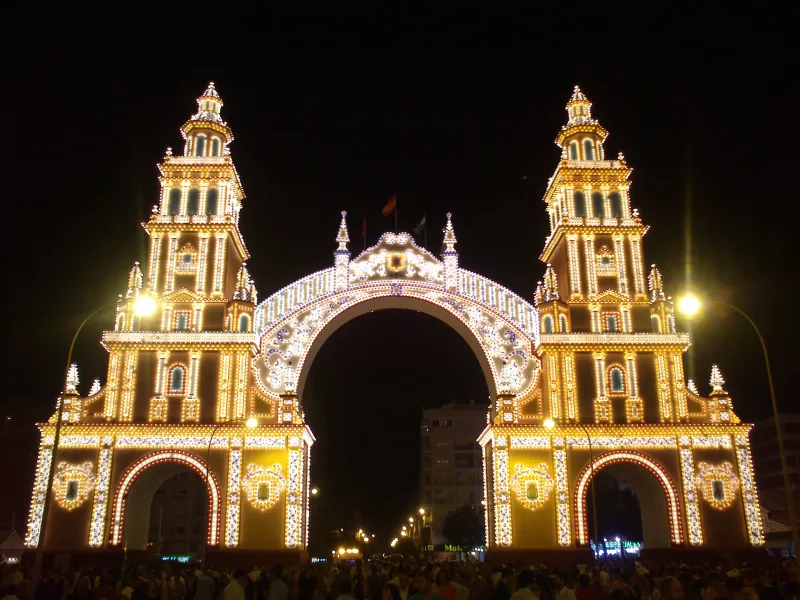
Feria de Abril Itinerary
How to plan days and nights at Seville's Feria de Abril: understanding the casetas and how to get inside one, what to wear, when the fairground comes alive, the daytime horse paseo, the rides, and how to fit ordinary sightseeing around the fair.
Read guide
Heat-Smart Summer Seville Itinerary
How to actually enjoy Seville in summer: a day built around early starts, a long midday break, pools and shade in the worst hours, and the long warm evenings the city was made for — with a sample three-day plan.
Read guide