
2 Days in Seville Itinerary
A balanced two-day Seville plan: the UNESCO icons and Plaza de España on day one; Triana, the Setas, a market and a flamenco night on day two — built around the ticket slots and the afternoon heat.

Photo: Taisia Karaseva / Unsplash
- ✓Two full days is the first-timer sweet spot — enough for the whole core without rushing, plus Triana and a flamenco night.
- ✓Day one: Real Alcázar at opening, Cathedral and Giralda, Santa Cruz, then Plaza de España in the soft light.
- ✓Day two: cross the river to Triana for the market and ceramics, a Setas sunset, then flamenco and a long tapas crawl.
- ✓Book the Alcázar and Cathedral in advance for early slots; both days front-load sights into the cool morning.
- ✓Keep one afternoon deliberately slow — a heat break in summer is the difference between enjoying the city and enduring it.
Why two days is the sweet spot
If you ask us how long to spend in Seville on a first visit, the answer is two full days. One day is a beautiful sprint that leaves the river, Triana and a sit-down flamenco show on the cutting-room floor. Two days fixes all of that without padding the trip with filler. You get the entire UNESCO core at a civilised pace, a proper crossing of the Guadalquivir into the city's most characterful neighbourhood, a viewpoint sunset, a flamenco night and a real tapas crawl — and you still have room for the unstructured wandering that is the whole point of being here.
The structure below splits the city naturally. Day one stays on the cathedral side: the two ticketed monuments in the cool morning, the lanes of Santa Cruz at midday, and Plaza de España as the light softens. Day two crosses west to Triana and north to the Setas, ending with flamenco and food. Both days follow the same Sevillian rhythm — monuments early, a break through the hottest hours, and the evening kept long and loose. Book the Alcázar and Cathedral ahead, take the earliest slots you can, and confirm hours and prices on the official sites before you travel.
At a glance: the two-day plan
The whole weekend in one card. Times are a rhythm, not a rule; in high summer shift everything earlier to claim more of the cool morning.
- Before you go: book the Alcázar and Cathedral online for early slots; confirm current hours and prices.
- Day 1 morning: Real Alcázar at opening, then the Cathedral and the Giralda climb.
- Day 1 midday: tapas and a slow wander through Barrio Santa Cruz, plus an afternoon break.
- Day 1 evening: Plaza de España and María Luisa Park in the golden light, then a riverside or rooftop drink.
- Day 2 morning: cross to Triana — the market, the ceramics quarter and the river views.
- Day 2 afternoon: a heat break, then the Setas walkway for the late light.
- Day 2 evening: a flamenco show and a long tapas crawl to finish.
Day 1, morning: Alcázar, Cathedral and Giralda
Start day one exactly as you would a one-day visit: at the Real Alcázar, on the first entry slot. Arriving as the doors open is the single best decision of the whole trip. The Alcázar is a layered Mudéjar palace — Almohad foundations reworked by Christian kings into a wonderland of carved plaster, tiled walls and water-cooled courtyards — and it is transformed by being empty. Walk the rooms while they are quiet: the Patio de las Doncellas with its long reflecting pool, the gilded Salón de Embajadores, then out into the sunken gardens before the first tour groups arrive. Give it ninety minutes at least; the gardens reward longer.
From there it is a five-minute walk to the Cathedral, the largest Gothic church in the world by volume — a vast, cool stone interior with a soaring nave, a gilded high altarpiece and the monument to Christopher Columbus. Climb its bell-tower, the Giralda, while the morning is still kind: the ascent is by gentle ramps rather than stairs (built for a rider on horseback), and the view from the top is the definitive one over Seville's rooftops. Don't miss the orange-tree courtyard, the Patio de los Naranjos, a shaded survivor of the original mosque. A combined cathedral-and-Giralda ticket is standard; book ahead and verify pricing.
Day 1, midday: Santa Cruz and a slow afternoon
You have earned a long lunch and an unhurried wander. The lanes of Barrio Santa Cruz wrap around the cathedral and the Alcázar — a maze of whitewashed alleys, tiled fountains, flower-hung patios and little squares that open up just when you think you are lost. Eat the Sevillian way: stand at the bar, order two or three tapas and a cold drink, and graze rather than feast. For better food, step a street or two beyond the most photographed corners. Then put the map away and simply walk; Santa Cruz is best as aimless wandering, following the shade from one square to the next.
If you are visiting in the hot months, this is where you build the afternoon break — the locals vanish from the streets through the worst of the heat, and so should you. Stretch lunch out, retreat to your hotel, or take a cool indoor stop: the free Archivo de Indias right by the cathedral is ideal, as is a long café over a granizado. This is not lost time; it is what lets you re-emerge for the evening with energy in reserve. On a mild day you can compress the break, but a sit-down pause keeps the afternoon from sagging.
Day 1, evening: Plaza de España and golden hour
As the heat lifts and the light turns gold, walk south-east to Plaza de España — free, open year-round and at its most beautiful in the late afternoon. The 1929 Exposition left Seville this vast half-moon of tiled bridges and painted province alcoves, wrapped around a curving canal you can row a little boat along. The low sun warms the brick and ceramic and the midday crowds thin, so this is one of the loveliest hours to be here. Beside it, María Luisa Park offers shaded paths, fountains and quiet corners for a gentle cool-down loop.
Close the day by the water or up high. The Guadalquivir is made for an evening stroll — walk its banks past the 13th-century Torre del Oro as the river turns copper and Triana lights up across the water. Or claim a rooftop bar with a view of the floodlit Giralda and toast the day with a cold drink; the popular terraces fill up in season, so it is worth booking. Then dine late and lightly — you have a bigger evening planned for tomorrow.
Day 2, morning: cross the river to Triana
Day two belongs to the other Seville. Cross the river to Triana — historically the neighbourhood of sailors, potters and flamenco families, and still the city's most characterful quarter. Start at the Mercado de Triana, the lively covered market built over the ruins of a castle, where stalls sell jamón, olives, fish and cheese and a handful of bars serve breakfast and early tapas straight off the counter. It is the right place to feel the rhythm of a working Seville morning rather than a touristed one.
From the market, walk the ceramics streets. Triana has made and painted tiles for centuries, and the Centro Cerámica Triana tells that story while the surrounding workshops and shops still sell the real thing — hand-painted azulejos that make far better souvenirs than anything in the centre. Wander Calle Betis along the riverbank for the postcard view back at the cathedral and the Torre del Oro, duck into the churches and tucked-away squares, and let the neighbourhood's slower, prouder mood set the pace. This is the half-day that turns a Seville trip from a monument tour into a real visit.
Day 2, afternoon: a break, then the Setas
Take your second afternoon as gently as your first. Have a long Triana lunch by the river, then rest through the hottest hours — the heat-break discipline matters just as much on day two, especially in summer. When the light starts to soften, cross back and head north into Centro for the Setas de Sevilla, the giant timber lattice over Plaza de la Encarnación that locals nicknamed Las Setas, "the mushrooms." Its undulating rooftop walkway is one of the best paid viewpoints in the city, and late afternoon into sunset is the time to be up there, with the whole old town glowing beneath you and the Giralda catching the last sun.
The streets around the Setas — Alfalfa and the Plaza de la Encarnación — are full of tapas bars and make an easy, central pre-dinner pocket. If you would rather swap the Setas for something cooler and indoor on a hot day, a small museum or the Casa de Pilatos palace fits the slot just as well. The point of the afternoon is to recharge so the evening can run long.
Day 2, evening: flamenco and a long tapas crawl
The second night is the one to give to flamenco. Seville is the spiritual home of the art, and seeing it live — the raw stamp of the dance, the guitar, the cry of the cante — is one of the most memorable things you can do here. You have a real choice of register: a polished tablao with a fixed show time and often a drink or dinner; a more intimate venue where the performance is closer and rougher-edged; or, for the truly committed, a peña, the members' clubs where flamenco lives without the tourist frame. Triana, where you spent the morning, has a particularly strong flamenco identity, so circling back there for the evening makes a satisfying loop. Book ahead for the popular shows.
Wrap the night, as ever, with a tapas crawl — two or three small plates and a drink per bar, then move on. After two days you will have the hang of it: a classic Andalusian spot for salmorejo and fried fish, somewhere more modern for a surprise, a final glass under the floodlit monuments. That is a complete, well-judged Seville weekend: the icons, the river, a viewpoint, flamenco and a great deal of very good food, none of it rushed.
Where to stay for two days
For a two-day visit, where you sleep matters less than you might think and more than the brochures admit. It matters less because the old town is so small and flat that any central base puts both days within an easy walk; it matters more because, with only two days, you do not want to waste any of them commuting. The rule is simple: stay inside the historic core — the triangle bounded loosely by the river to the west, the Setas to the north, and the cathedral and Alcázar to the south — and almost everything in this plan begins at your front door.
Within that core, four areas suit almost everyone. Barrio Santa Cruz is the postcard pick, most atmospheric and closest to day one's monuments, though its lanes get busy and a little noisy at night. El Arenal is the calmer riverside option, well placed for the golden-hour walks. Centro is the value-and-shopping choice and sits right by the Setas you climb on day two. Triana, across the river, is the local food-and-flamenco base for travellers who want to wake up in the neighbourhood they fall for on day two. In the hot months, favour a pool, patio or strong air conditioning, and book early — earlier still if your dates touch Semana Santa or Feria de Abril.
- Most atmospheric, closest to the icons: Barrio Santa Cruz.
- Calm riverside, handy for golden hour: El Arenal.
- Best value, by day two's Setas: Centro.
- Local food-and-flamenco feel: Triana, across the river.
- Hot months: prioritise a pool, patio or air conditioning; book festivals far ahead.
Getting around and when to come
Two days in Seville is a walking trip. The historic core is flat and compact, and the distances between the cathedral, the Alcázar, Santa Cruz, the river and the Setas are measured in minutes on foot — you will not need a bus or taxi during the day. Crossing to Triana on day two is a short, scenic walk over a central bridge with the cathedral skyline behind you. At the edges, the EA airport bus reaches the centre in around half an hour (fixed-tariff taxis are the alternative), and Santa Justa station is a short hop away if you tack on a day trip later. Verify current fares before you travel.
On timing, spring and autumn are the kindest seasons — orange blossom and mild mornings, or golden autumn light — and they suit this two-day pace perfectly. From roughly June to September the centre runs as hot as anywhere in Europe, with mid-thirties Celsius afternoons and worse in a heatwave, so the afternoon heat break in this plan becomes essential and a hotel pool is a real asset; check the AEMET forecast close to your dates. If your weekend overlaps Semana Santa or Feria de Abril, plan around the event and book far ahead. Winter is quiet and good value, just cooler and occasionally wet.
- Inside the city: walk everything; Triana is a short bridge crossing away.
- Airport: EA bus (~35 min) or fixed-tariff taxi; verify current fares.
- Prime seasons: spring and autumn; summer needs a firm heat break and ideally a pool.
- Festivals: plan around Semana Santa and Feria de Abril and book months ahead.
- Always verify hours, prices, fares and festival dates close to your trip.
Adjusting the two days
This plan flexes easily. Couples can swap the Setas for golden hour in the Alcázar gardens (if you can rebook a late entry) or a romantic river walk, and trade a tablao for a quieter show — the romance guide has the swoonier version of the same two days. Families should stretch the afternoons longer, lean on María Luisa Park and the canal boats, and keep the flamenco short. Slow travellers can simply spread these two days over three and breathe more.
If two days has whetted your appetite rather than satisfied it — which it often does — a third day adds a second palace, a museum and the kind of unstructured time Seville does best, and a fourth buys a day trip to Córdoba or Cádiz. Read on before you decide.
Two-day questions, answered
Is two days enough for Seville? Yes — it is the length we recommend most first-timers. Two full days covers the entire UNESCO core, Triana, a viewpoint sunset, a flamenco night and a proper tapas crawl, all without rushing. A third day is a lovely bonus for slowing down further, but two days is genuinely satisfying rather than a compromise.
Which order should I do the two days in? Either order works, but we put the ticketed monuments on day one because the Alcázar and Cathedral reward an early, pre-booked slot and you want that decision made while you are freshest. Day two's Triana, Setas and flamenco are more flexible and make a natural, slower second day. If your flamenco show or a restaurant only has space on a particular night, simply swap the evenings.
Do I need to book anything ahead? Book the Alcázar and Cathedral online for early slots — these are the two non-negotiables. A popular flamenco show or a sought-after dinner is worth reserving in season too. Most other stops, including Triana's market and the Setas walkway, rarely need advance booking, though you should always verify current hours and prices on official sources.
Can I fit a day trip into two days? We would not — two days is the right amount of time for the city itself, and a day trip would cost you a third of it. If you want both Seville and an excursion, give yourself a third or fourth day instead. The longer itineraries show exactly how that works.

Barrio Santa Cruz Walk
A self-guided walking route through Barrio Santa Cruz — the whitewashed lanes, hidden plazas, flower-filled patios, old legends and shaded squares of Seville's former Jewish quarter, pressed against the Alcázar walls.
Read guide
Triana Guide
Seville's proud neighbourhood across the Guadalquivir: flamenco roots, ceramic workshops, the Triana market, river-facing terraces on Calle Betis, real tapas, and what it's like to stay on the far bank.
Read guide
Best Flamenco Shows in Seville
How to choose a flamenco show in Seville without falling into the tourist trap: the difference between polished tablaos, intimate small-venue shows, Triana's options, the Flamenco Museum's stage and the serious peñas, plus where each type suits you and how to book a night you'll remember.
Read guideMore in Itineraries
6
3 Days in Seville Itinerary
A complete three-day Seville itinerary: the UNESCO icons and Plaza de España; Triana, the Setas and flamenco; then a quieter palace, a market morning, a museum and slow golden-hour river time.
Read guide
4 Days in Seville Itinerary
A four-day Seville itinerary: the icons, Triana and flamenco, a quieter palace and a museum — then a fourth day for one Andalusian day trip, Córdoba's Mezquita above all, or a deliberate day off.
Read guide
Accessible Seville Itinerary
A realistic, romantic accessible route through Seville built on smoother surfaces, level entrances, lifts, taxis and the tram — with honest notes on cobbles, ramps, rest stops and the heat, paced so the city stays a pleasure rather than an obstacle course.
Read guide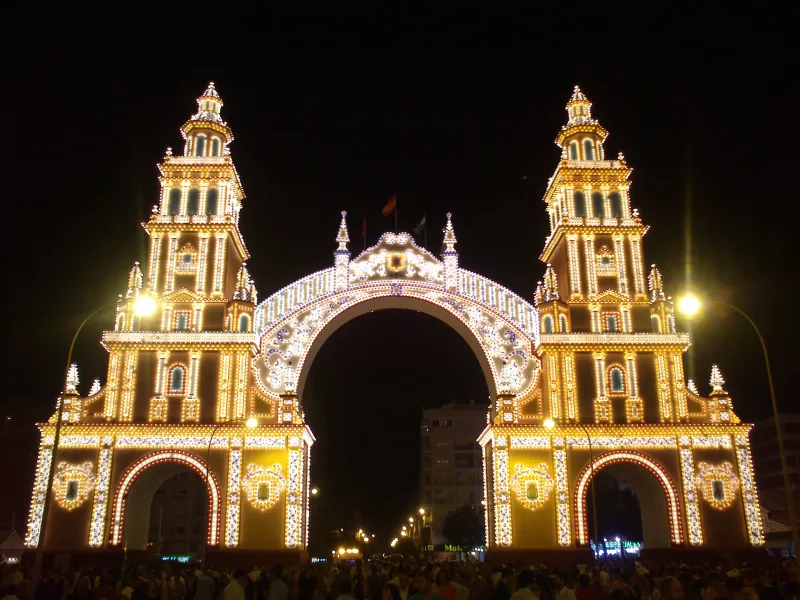
Feria de Abril Itinerary
How to plan days and nights at Seville's Feria de Abril: understanding the casetas and how to get inside one, what to wear, when the fairground comes alive, the daytime horse paseo, the rides, and how to fit ordinary sightseeing around the fair.
Read guide
Heat-Smart Summer Seville Itinerary
How to actually enjoy Seville in summer: a day built around early starts, a long midday break, pools and shade in the worst hours, and the long warm evenings the city was made for — with a sample three-day plan.
Read guide
Luxury Weekend in Seville
A high-end two-day Seville plan — palace hotels, private guides for the Alcázar and cathedral, rooftop sunsets, spa afternoons, fine dining and a flamenco night, all at an unhurried pace.
Read guide